
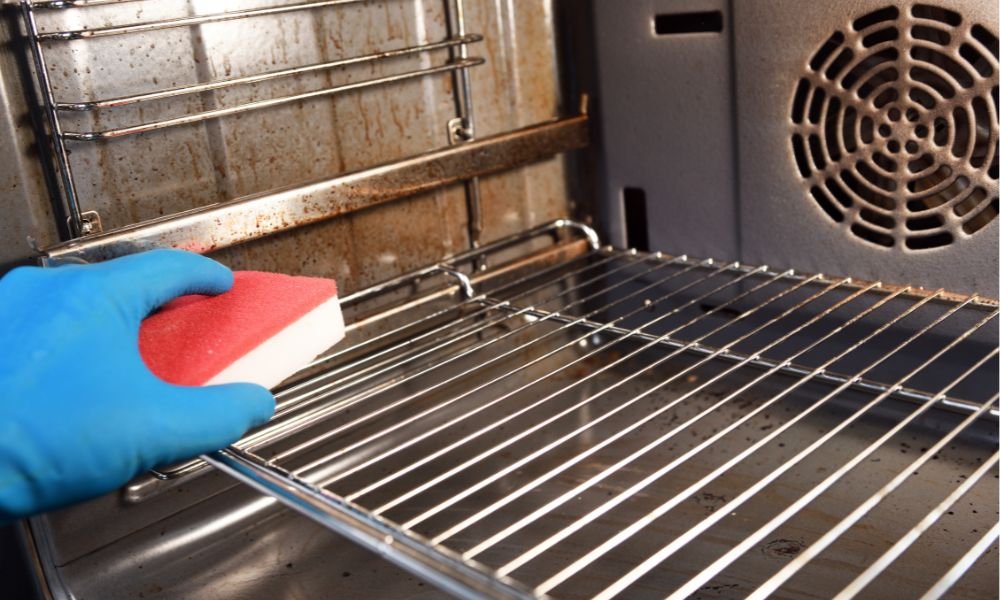
How to Clean an Oven without Oven Cleaner
Maintaining a pristine culinary environment demands a meticulous sanitation regimen, yet the central apparatus of the kitchen often bears the brunt of neglect. Over time, the interior surfaces of a cooking range accumulate a resilient, carbonized layer of organic matter. Addressing this unsightly buildup does not necessitate a reliance on harsh, synthetically engineered chemical formulas.
Why learning how to clean an oven without oven cleaner is a smart and budget-friendly choice
Embracing alternative reclamation techniques yields substantial financial dividends while preserving the structural integrity of your appliance. Conventional aerosol degreasers carry a premium price tag, yet their active ingredients are easily replaced by economical, ubiquitous household staples. By mastering the art of how to clean an oven without oven cleaner, you transition from a consumer dependent on specialized merchandise to an efficient practitioner of household chemistry. This shift reduces recurring expenditures significantly.
The benefits of natural oven cleaning methods
Natural decontamination methods rely on gentle chemical reactions, such as mild acidification and alkaline saponification, rather than corrosive destruction. These non-toxic alternatives do not emit volatile organic compounds (VOCs) that degrade indoor air quality. Furthermore, eco-friendly agents eliminate the risk of leaving behind hazardous chemical residues that could vaporize during subsequent high-temperature baking cycles, thereby safeguarding the organoleptic qualities of your food.
What this guide will cover
This comprehensive manual provides a systematic breakdown of non-chemical oven restoration. Readers will explore the scientific mechanisms behind common pantry items, discover customized strategies for distinct structural zones—including the vitreous enamel interior and the pellucid glass portal—and acquire the tactical knowledge needed to eliminate stubborn grease without compromising surface finishes.
Why Avoid Commercial Oven Cleaners?
Many people choose to clean an oven without oven cleaner because commercial cleaner can be expensive and contain harsh chemicals. Natural cleaning methods using baking soda, vinegar, lemon, and dish soap are safer, affordable, and effective for removing grease and burnt food residue.
The immediate efficacy of mass-market aerosol degreasers masks a more concerning reality regarding their chemical composition and potential structural impact.
Common ingredients found in oven cleaners
Most conventional oven sprays rely on heavily caustic alkaline agents, primarily sodium hydroxide (lye) or potassium hydroxide. These chemicals are formulated to liquefy organic lipids through immediate chemical hydrolysis. These formulas also contain synthetic solvents like monoethanolamine, along with butane or propane propellants to create the foaming action. These compounds are highly reactive and present significant handling hazards.
Benefits of chemical-free cleaning
- Substrate Protection: Avoids chemical etching on sensitive internal components, including aluminum trim and delicate rubberized door gaskets.
- Atmospheric Integrity: Eliminates the dispersion of caustic particulates into the domestic airspace, protecting household residents from respiratory discomfort.
- Zero Thermal Vaporization Risks: Guarantees that no lingering synthetic film remains to smoke, ignite, or taint subsequent culinary creations.
Why natural methods are safer for your home and family
The corrosive nature of commercial lye-based sprays poses an immediate risk to human tissue, requiring heavy ventilation and thick protective gear. In contrast, natural methods utilize food-grade components that present no threat of chemical burns or accidental poisoning. This safety profile makes natural alternatives ideal for households with young children, companion animals, or individuals with chronic respiratory conditions.
What You’ll Need to Clean an Oven Without Oven Cleaner
Before beginning the restoration process, gather a specialized toolkit of benign reagents and non-destructive mechanical tools.
- Baking Soda (Sodium Bicarbonate): A mild, crystalline amphoteric powder that serves as both a gentle abrasive and an effective grease-cutter.
- White Vinegar (Diluted Acetic Acid): An organic acid with a 5% concentration, perfect for dissolving mineral scales and neutralizing alkaline residues.
- Lemon Juice (Citric Acid): A natural chelating agent containing fragrant essential oils that easily cut through polymerized fats.
- Dish Soap: A concentrated, pH-neutral surfactant blend designed to emulsify surface oils and suspend loosened debris.
- Warm Water: The essential solvent required to activate chemical pastes and dissolve crystalline buildup.
- Microfiber Cloths: High-density synthetic textiles that trap microscopic particles without scratching delicate glass or enamel.
- Non-Abrasive Sponge: A dual-sided cellular sponge featuring a soft polyurethane scrubbing surface.
- Plastic Scraper: A rigid polymer tool designed to lift thick carbon crusts without gouging the underlying substrate.
- Spray Bottle: A manually pressurized vessel used to apply liquid solutions evenly across large areas.
- Rubber Gloves: Protective handwear utilized to keep skin clean and dry throughout the cleaning process.
Prepare Your Oven Before Cleaning
A methodical approach ensures both personal safety and an efficient workflow. Preparation lays the groundwork for successful chemical penetration.
Turn the oven off and let it cool completely
Never attempt to apply natural cleaning solutions to a hot oven cavity. Elevated temperatures can cause liquid solutions to vaporize prematurely, leaving behind dried, unreacted crusts before they can break down the grease. Ensure the appliance is completely disconnected from its thermal cycle, allowing the interior metal surfaces to stabilize at room temperature.
Remove oven racks and accessories
Extract all interior components, including wire shelving, side support tracks, baking sheets, and integrated temperature probes. Clearing the oven cavity provides unhindered access to the vertical walls and the recessed floor basin. This step also allows you to clean the removable components separately using specialized soaking techniques.
Brush away loose crumbs and debris
Use a small whisk broom or a handheld vacuum to clear out loose carbonized food fragments, ash, and superficial debris from the oven floor. Removing this loose matter prevents your cleaning paste from turning into a muddy sludge. This ensures the active ingredients can work directly on the adhered grease layer beneath.
Protect the surrounding floor if needed
Lay down a protective layer of old towels, absorbent builder’s paper, or thick newspaper directly beneath the oven door. Natural cleaning methods can generate minor runoff during the scrubbing and rinsing phases. Preemptively lining the floor protects sensitive hardwood, laminate, or porous tile grout from catching any dark, greasy drips.
How to Clean an Oven Without Oven Cleaner Using
Baking Soda
Sodium bicarbonate stands as the cornerstone of chemical-free oven restoration due to its unique chemical flexibility and structural properties.
Why baking soda is one of the best natural cleaners
As a mild base, baking soda excels at breaking down acidic fatty acids found in baked-on grease. Its fine crystal structure provides excellent mechanical scrubbing action. Because these crystals have a lower hardness rating than porcelain enamel or tempered glass, they lift stubborn grime effortlessly without scratching the polished surfaces underneath.
Making the perfect baking soda paste
In a small mixing vessel, combine three parts sodium bicarbonate with one part warm water to create a smooth paste with a spreadable, frosting-like consistency. The paste must remain wet enough to stick to vertical surfaces without slumping or running down the walls. If the mixture is too dry and crumbly, add water drop by drop until it achieves the proper balance.
Applying the paste evenly
Using a gloved hand or a soft silicone spatula, coat the entire interior surface of the oven with a quarter-inch layer of the paste. Focus heavily on the dark, grease-stained areas along the base and back panels.
Critical Precaution: Do not apply the paste to the heating elements, gas igniters, or internal fan vents, as blocking these components can cause mechanical issues during future use.
Letting it sit for maximum effectiveness
Once applied, leave the paste undisturbed for at least twelve hours, or overnight. During this extended rest, the alkaline paste slowly breaks down the tough, polymerized grease matrix, turning it into a soft, water-soluble compound. Keep the oven door closed during this time to retain moisture and prevent the paste from drying out too quickly.
How to Clean an Oven Without Oven Cleaner Using White Vinegar
Introducing a mild organic acid provides the necessary chemical reaction to lift the softened baking soda paste and dissolve the remaining residue.
How vinegar breaks down grease naturally
The acetic acid within white vinegar targets the basic chemical components of caramelized sugars and charred fats. When it comes into contact with the alkaline baking soda, it triggers a dynamic neutralization reaction that helps lift stuck-on grime from the metal surface.
Spraying vinegar after the baking soda treatment
Fill a spray bottle with undiluted white vinegar and mist it generously over the dried baking soda paste inside the oven. The acid and base will react immediately, creating a vigorous foaming action:
$$\text{NaHCO}_3 + \text{CH}_3\text{COOH} \rightarrow \text{CH}_3\text{COONa} + \text{H}_2\text{O} + \text{CO}_2 \uparrow$$
The rapid release of carbon dioxide gas ($\text{CO}_2$) creates bubbles that mechanically break apart the hardened crust from the inside out.
Wiping away loosened grime with ease
Once the foaming reaction calms down, use a damp non-abrasive sponge to wipe away the effervescent sludge. The carbonized grease should lift away easily, revealing the clean enamel beneath. Use a clean, damp microfiber cloth to perform a final rinse, wiping down the interior until no powdery baking soda residue remains.
How to Clean an Oven Without Oven Cleaner Using Lemon
For lighter maintenance needs or when you want to avoid the sharp smell of vinegar, fresh citrus fruits offer excellent cleaning performance.
The grease-cutting power of lemon
Lemons contain high levels of citric acid, a natural organic acid that works exceptionally well at breaking down scorched sugars and fats. It acts as a natural chelating agent, binding to metal ions and loosening the grip of burnt food on the pan. It also leaves behind a clean, refreshing aroma.
Steam-cleaning your oven with lemon water
1.Fill an oven-safe bowl:Prepare the citrus solution.
Fill a heavy ceramic or glass bowl halfway with fresh water, then squeeze the juice of two large lemons into it and drop the remaining rinds directly into the liquid.
2.Heat the appliance:Activate the thermal cycle.
Place the bowl on the center rack, close the door, and set the oven to 250°F (120°C) for thirty to forty-five minutes.
3.Turn off and let rest:Allow steam to work.
Turn off the heat but leave the door closed for an additional fifteen minutes, allowing the airborne citric steam to coat and soften the interior grease layers.
4.Wipe down the interior:Remove residue safely.
Open the door once the oven cools down to a safe temperature, remove the bowl, and use a damp microfiber cloth to easily wipe away the loosened grease.
Eliminating unpleasant oven odors naturally
Beyond lifting tough stains, the natural essential oils (primarily limonene) found in lemon rinds neutralize the acrid, smoky odors left behind by burnt food. This process eliminates stubborn smells from your cookware while filling your kitchen with a bright, clean citrus fragrance.
How to Clean an Oven Without Oven Cleaner Using Dish Soap
When dealing with fresh grease or light, superficial splatters, standard concentrated liquid dish detergents provide excellent cleaning performance.
When dish soap works best
This method is ideal for regular weekly touch-ups or immediately after roasting meats that leave behind light grease splatters. It is especially useful for maintaining newer ovens before thin oil layers have a chance to polymerize into dark, stubborn carbon crusts.
Removing light grease and fresh spills
Apply a few drops of concentrated dish soap directly to a damp non-abrasive sponge, squeezing it until it forms a rich, thick foam. Wipe down the interior surfaces using smooth, circular motions to break up grease films. Because dish soap uses specialized surfactants to lower water tension, it quickly lifts and suspends fresh oils so they can be wiped away cleanly.
Combining dish soap with warm water for better results
For slightly tougher cleanup jobs, mix a quarter-cup of dish soap into a gallon of hot water. Use this solution to thoroughly wash down the interior walls, soaking the sponge frequently. The heat from the water softens hardened fats, allowing the soap molecules to surround and emulsify the grease particles for easy removal.
Soaking racks in hot water and dish soap
Line the bottom of a bathtub or a large utility sink with an old towel to prevent scratching the surface, then lay the wire racks flat on top. Fill the tub with hot water until the grates are fully submerged, then pour in a half-cup of concentrated dish soap. Allow the racks to soak for four to six hours to dissolve the oily outer layers.
Baking soda paste for stubborn stains
For areas with thick, black carbon crusts, apply a thick baking soda paste directly to the affected wire joints after their initial soak. Let the paste sit for a few hours, then use a stiff nylon bristle brush to scrub along the length of each wire. The gentle abrasive action will lift the stubborn spots without scratching the underlying chrome or nickel plating.
Vinegar rinse for extra shine
After scrubbing away the heavy grime, lightly mist the wire racks with white vinegar to clear off any remaining film or hard water spots. The acid reacts with any leftover baking soda, helping to lift the last traces of dullness and leaving the metal bright and clean.
Drying and reinstalling oven racks
Rinse the racks thoroughly with clean, warm water to remove all traces of soap and paste. Use a dry microfiber cloth to wipe them down completely, paying close attention to the intersection joints where trapped moisture can lead to rust. Once dry, slide the clean racks back into the oven tracks.
How to Remove Burnt-On Grease Without Oven Cleaner
Tackling years of neglected, baked-on grease requires patience and a strategic multi-step approach.
Softening stubborn grease naturally
Thick, polymerized grease layers behave similarly to commercial varnish, meaning they resist quick surface wipes. To break these layers down, apply a highly concentrated baking soda paste and lay damp paper towels directly over it to keep the moisture from evaporating. This allows the alkaline paste to slowly soften the tough outer shell over twelve to twenty-four hours.
Repeating treatments for heavily soiled ovens
If the first attempt only removes the top layer of a deep carbon stain, do not lose heart. Extreme buildup often requires two or three targeted applications to clean an oven without oven cleaner completely. Each round softens and lifts another layer of grease, gradually revealing the clean enamel beneath.
Using a plastic scraper safely
When dealing with thick, raised carbon crusts, use a rigid plastic scraper or a wooden spatula to gently lift the softened debris away from the metal. Hold the tool at a shallow thirty-degree angle and slide it forward using smooth, steady pressure.
Important Warning: Never use metal razor blades, putty knives, or screwdrivers, as their sharp corners can easily gouge the interior porcelain lining and ruin your appliance.
Avoiding damage to oven surfaces
Keep your cleaning tools soft and non-marring to protect your oven’s interior finish. Avoid the temptation to use steel wool or harsh pumice powders on stubborn spots, as these aggressive tools create fine scratches that make it easier for future grease to stick to the surface.
How to Clean the Oven Door Naturally
The oven door contains two distinct areas that require careful attention: the transparent glass viewports and the surrounding structural metal frame.
Cleaning the Glass Door
The inner glass panel is made of tempered borosilicate glass designed to withstand extreme temperatures, but it scratches easily if cleaned with the wrong tools.
Removing grease from oven glass
Mix a gentle paste of baking soda and warm water, then spread it evenly across the horizontal glass surface with a soft cloth. Let it sit for thirty minutes to dissolve cloudy grease splatters. Wipe the paste away using a clean, damp microfiber cloth, working in smooth, circular motions to avoid pressing hard against the glass.
Preventing streaks and residue
After removing the baking soda paste, give the glass a final wipe with a 1:1 mix of white vinegar and distilled water. The mild acid dissolves any remaining powdery film, allowing the glass to dry to a crystal-clear, streak-free finish that gives you an unhindered view of your baking.
Cleaning the Door Frame
The metal frame surrounding the glass contains structural seams and recessed channels that easily collect drips and crumbs.
Reaching tight corners
Dip an old, soft-bristled toothbrush into a diluted baking soda solution to clean out the tight crevices and corners along the door frame. The small brush head allows you to scrub detailed areas easily without scratching the surrounding painted surfaces.
Removing hidden food particles
Pay special attention to the bottom edge of the door frame, where grease and food fragments often gather unnoticed. Wipe down the flexible rubberized gaskets gently with a warm, soap-dampened cloth to remove grease buildup while keeping the seal soft and airtight.
How to Clean the Bottom of the Oven Without Oven Cleaner
The floor of the oven cabin faces the most demanding cleanup, as it bears the brunt of direct spills, sugar drips, and fallen food chunks.
Removing burnt food safely
Large chunks of charred food can stick firmly to the oven base, making them difficult to remove. Soften these crusts by placing a warm, damp towel over them for twenty minutes, then use a plastic scraper to lift them away from the enamel floor.
Cleaning baked-on spills
High-sugar fruit pies and fat-heavy meat drippings form a tough, glassy lacquer when they hit the hot oven floor. Cover these areas with a thick layer of baking soda, mist it with vinegar until it bubbles, and let it sit for several hours to break down the tough bonds.
Restoring the oven floor without scratching
Wipe away the dissolved mixture using a soft polyurethane sponge, rinsing it frequently in clean water. Work carefully around the lower heating elements to avoid pulling or bending the connections, and finish with a dry cloth to prevent hard water spots.
Cleaning the Oven Ceiling and Side Walls
Working on the upper and vertical sections of the oven cabin requires a few adjustments to keep your cleaning solutions where they belong.
Working safely on vertical surfaces
To keep your baking soda paste from sliding down the side walls, mix it to a slightly thicker, tackier consistency than you would for the floor. Apply it using firm, upward strokes with a damp sponge to help it stick to the smooth enamel surfaces.
Preventing cleaning paste from dripping
Avoid applying thick layers of paste directly to the oven ceiling, as gravity will eventually cause it to drip down onto the floor or heating elements. Instead, dip a damp sponge into dry baking soda powder and press it firmly against the ceiling to leave behind a thin, effective layer that stays in place.
Reaching difficult spots effectively
Use a flexible silicone spatula wrapped in a damp microfiber cloth to clean hard-to-reach areas around side shelving tracks and rear fan shrouds. This configuration gives you the reach and pressure needed to wipe down tight spaces without having to disassemble complex internal parts.
How Long Should Natural Oven Cleaning Methods Sit?
Giving your natural ingredients enough time to work is key to an easy, scrub-free cleanup.
Recommended soaking times
- Light Grease Layers: 30 to 60 minutes using a simple lemon steam or dish soap wash.
- Moderate Carbonized Stains: 4 to 6 hours with a standard baking soda paste application.
- Heavy Baked-On Crusts: 12 to 24 hours (overnight) to let the alkaline paste break down thick buildup.
When to repeat the process
If you notice thick, dark patches of grease remaining after wiping away your first treatment, apply a second round of paste directly to those stubborn spots. Heavily used ovens often require a few consecutive applications to clean away years of accumulated carbon buildup safely.
Signs the grime is ready to remove
You will know the grease is ready to clean when the white baking soda paste turns a deep amber or brown color, and the underlying crust feels soft and crumbly to the touch rather than hard and glassy.
Common Mistakes to Avoid When Cleaning an Oven Without Oven Cleaner
Avoiding these common cleaning errors protects your appliance and keeps your kitchen running smoothly.
Cleaning while the oven is still hot
Applying water or vinegar to a hot oven can cause sudden, dangerous steam burns and can even warp the metal body or crack the internal enamel lining. Always ensure the appliance is completely cool before starting.
Using abrasive steel wool
Heavy metal scouring pads tear through porcelain enamel, leaving behind fine scratches that damage the finish and make it easier for future food spills to stick and burn. Stick to nylon brushes and plastic scrapers.
Applying excessive water
Avoid soaking the interior cabin with a running hose or dripping wet sponges. Too much water can seep behind the panels, damaging electronic ignition systems, wiring harnesses, and internal insulation layers.
Forgetting hidden grease around the door
The upper interior lip of the door and the hidden recessed hinges often collect a lot of grease splatters that go unnoticed. Always check and wipe down these hidden areas to prevent smoky odors during future baking.
Mixing incompatible cleaning products
Never mix commercial oven sprays with natural ingredients like vinegar or baking soda. The combination can cause unpredictable chemical reactions that release irritating fumes or leave behind a stubborn, difficult-to-rinse residue.
Best Natural Ingredients for Oven Cleaning Compared
Baking Soda
- Best For: Stubborn grease, thick carbonized residues, and deep floor spills.
- Mechanism: Mild alkalinity breaks down fatty acids while providing gentle, non-scratch friction.
White Vinegar
- Best For: Dissolving mineral scale, neutralizing alkaline paste, and leaving a streak-free shine.
- Mechanism: Acetic acid cuts through caramelized sugars and breaks apart dried paste.
Lemon Juice
- Best For: Light maintenance, cutting light grease, and removing stale food odors.
- Mechanism: Citric acid acts as a natural degreaser paired with fresh citrus essential oils.
Dish Soap
- Best For: Quick touch-ups, regular rack cleaning, and wiping down fresh splatters.
- Mechanism: Concentrated surfactants lift and suspend oils for easy rinsing.
How to Remove Bad Odors from Your Oven Naturally
A clean oven should be completely odorless, ensuring your baked goods taste exactly as they should.
Baking Soda Odor Absorption
Place a shallow, wide bowl filled with dry baking soda on the center rack of your clean oven and leave it inside overnight with the door closed. The sodium bicarbonate will naturally draw in and neutralize airborne odors, such as stale grease or burnt smoke smells, without adding artificial perfumes.
Lemon steam treatment
For a faster option, boil a bowl of water with fresh lemon slices inside the oven for twenty minutes. The evaporating citrus oils quickly break down stubborn odor molecules, leaving the cabin smelling bright, fresh, and clean.
Vinegar deodorizing method
If your oven has a lingering fish or burnt fat smell, place a small cup of white vinegar on a shelf and let it sit for a few hours. The acetic acid binds with basic odor compounds, neutralizing them to leave behind a clean, neutral scent.
Keeping your oven smelling fresh
Keep your oven smelling its best by wiping out small spills as soon as the appliance cools down after cooking. Leaving old grease inside causes it to burn again during your next meal, generating unnecessary smoke and foul odors.
How to Keep Your Oven Clean Naturally and Reduce Deep Cleaning Time
A few simple preventative habits can significantly reduce the time and effort needed for future oven cleaning.
- Wipe spills immediately: Clean up drips with a damp cloth as soon as the oven cools down to prevent them from baking into hard carbon crusts.
- Use oven-safe baking trays: Place a large, rimmed baking sheet on the bottom rack beneath roasting pans to catch any falling grease or accidental boil-overs.
- Clean regularly: Perform a quick fifteen-minute touch-up every month instead of waiting for heavy grease layers to build up over the year.
- Cover splattering foods: Use lightweight lids, aluminum foil tents, or specialized roasting bags to keep oil splatters off the interior walls.
- Schedule monthly maintenance: Set aside time for a routine lemon steam clean every four weeks to keep grease from building up into tough, permanent stains.
Frequently Asked Questions About Cleaning an Oven Naturally Without Chemical Oven Cleaner
Can Baking Soda Remove Burnt Food and Grease from an Oven?
Yes, baking soda works exceptionally well as a substitute for commercial cleaners. When given enough time to sit, its natural alkalinity breaks down grease and burnt food safely and effectively without harsh fumes.
Is vinegar safe for every oven?
Vinegar is safe for porcelain enamel, glass, and chrome racks. Avoid using concentrated acid solutions on un-anodized aluminum parts or raw rubber seals, as extended exposure can cause surface dulling.
How often should an oven be cleaned?
For regular home cooking, a deep clean every three to six months is ideal. However, wiping down small spills weekly keeps grease from building up and keeps your oven running efficiently.
Can natural methods remove years of baked-on grease?
Yes, natural methods can tackle heavy, long-standing buildup. The key is to let the baking soda paste sit for a full twenty-four hours and use a plastic scraper to lift away the softened layers step by step.
How long does the cleaning process take?
The active hands-on time is quite short—usually about thirty minutes to apply and wipe away the mixtures. The majority of the time is spent letting the natural ingredients sit and work overnight.
What should never be used inside an oven?
Never use steel wool wire brushes, metal scrapers, household bleach, or aggressive ammonia sprays inside your oven, as these can permanently damage the surface finishes and create safety hazards.
Final Thoughts
Restoring your kitchen appliance using natural ingredients is a highly effective, safe, and budget-friendly choice for any home. By letting simple pantry items like baking soda, vinegar, and lemon do the hard work, you avoid the harsh chemical fumes and costs associated with commercial sprays. Choosing the right approach for your specific level of grease ensures your oven stays bright and clean without damaging its delicate surfaces. Building a few simple preventative habits into your cooking routine will protect your appliance, keep your kitchen safe, and ensure your home-cooked meals always taste their best.
Learning how to clean an oven cleaner can save money and reduce exposure to harsh chemicals.
Many homeowners prefer how to clean an oven without oven cleaner methods because they are simple and eco-friendly.
By following these tips, you can easily learn how to clean an oven without oven cleaner and keep your appliance spotless.