
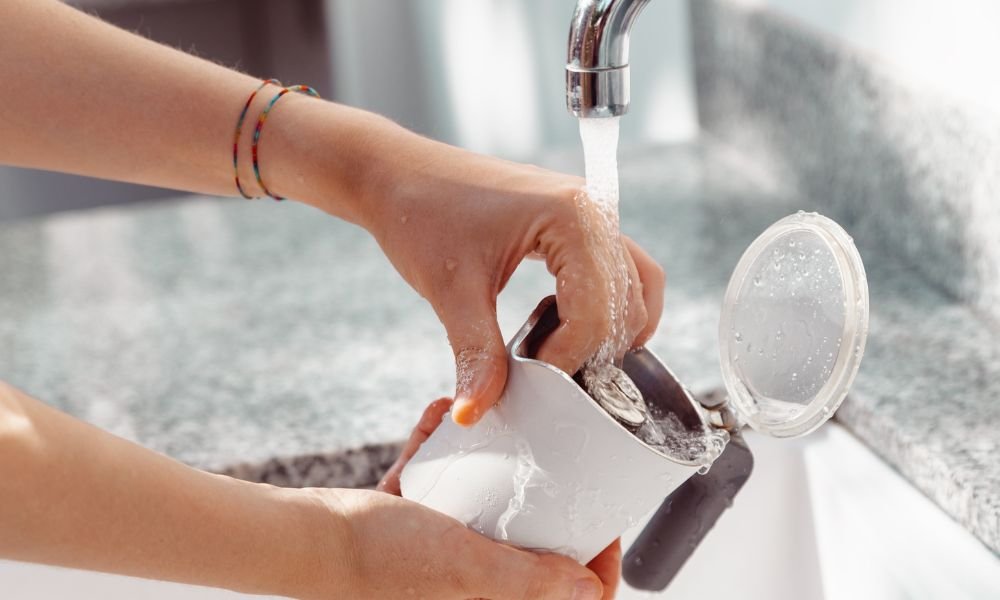
A clean coffee maker is essential for great-tasting coffee and reliable performance. Over time, coffee oils, mineral deposits, mold, and bacteria can build up inside the machine, affecting both flavor and hygiene. While white vinegar is the most common cleaning solution, some people use bleach to disinfect their coffee makers. However, bleach must be handled with extreme care because improper use can leave harmful residues. In this guide, you’ll learn how to clean a coffee maker with bleach safely, when it may be appropriate to use it, and the precautions you should never ignore. We’ll also explain the correct dilution, thorough rinsing process, and safer alternatives to help you keep your coffee maker clean, sanitary, and ready to brew fresh, delicious coffee every day.
Is bleach the right choice for routine coffee maker cleaning?
Despite its remarkable capacity to obliterate biological pathogens, this chemical is fundamentally unsuited for routine appliance maintenance. A coffee machine is a delicate ecosystem of specialized materials. Introducing an aggressively alkaline, corrosive substance can induce immediate material degradation. The primary objective of appliance maintenance is to preserve structural longevity while ensuring a sanitary output. Therefore, understanding the underlying chemical interactions reveals that this harsh compound introduces far more engineering and physiological hazards than benefits.
What this guide covers
This discourse provides an analytical exploration of the mechanical and biological ramifications of appliance sanitation. Readers will gain a comprehensive understanding of why traditional manufacturing guidelines strongly discourage the utilization of sodium hypochlorite. Furthermore, this text outlines the precise scientific reasons why specialized alternatives yield superior results. From structural diagnostics to component-specific purification techniques, this guide establishes a definitive framework for maintaining a pristine, toxin-free brewing system.
Can You Clean a Coffee Maker with Bleach?
What bleach is designed to do
Sodium hypochlorite operates as a profound oxidizing agent designed to destroy cellular walls and denature proteins. It is highly effective when applied to non-porous, inert surfaces like ceramic tiles or laboratory workspaces. Its primary utility lies in heavy-duty disinfection and the eradication of stubborn organic pigmentation. It excels at breaking down biological bio-films on broad, easily accessible surfaces that can be physically scrubbed and thoroughly aerated afterward.
Why most coffee maker manufacturers discourage using bleach
The intricate plumbing network found within modern brewing hardware is explicitly not engineered to withstand aggressive oxidation. Manufacturers utilize specific polymers, copper alloys, and aluminum heating elements that react poorly to high pH levels. Introducing this compound can initiate localized pitting corrosion along metallic conduits, permanently thinning the walls of the heating chamber. This material erosion can void consumer warranties and precipitate early mechanical failure.
Understanding the potential risks of bleach residue
The internal architecture of a coffee machine features numerous micro-valves, narrow siphons, and complex geometric bends. These tight pathways are notoriously resistant to simple hydrodynamic flushing. This structural complexity makes it incredibly easy for trace amounts of chemical compounds to remain trapped within the system. If these residues fail to evacuate completely, they will inevitably bleed into subsequent brewing cycles, posing a hidden hazard.
Is It Safe to Clean a Coffee Maker with Bleach?
Health concerns associated with bleach residue
Ingesting even minute quantities of sodium hypochlorite can cause significant physiological discomfort. The human gastrointestinal tract is highly sensitive to caustic chemical contaminants. If residual chemicals contaminate your morning beverage, they can induce acute mucosal irritation, nausea, and severe stomach cramping. The risk of accidental ingestion makes the use of such aggressive household chemicals inherently dangerous within food-preparation equipment.
Potential damage to internal components
Beyond the obvious human health implications, the structural components of the machine suffer immense stress when exposed to this chemical. Elastomeric components, such as silicone gaskets and rubber O-rings, lose their structural elasticity when oxidized. They become brittle, develop micro-fractures, and ultimately fail to maintain watertight seals. This degradation leads to internal leaks that can short-circuit electrical control boards.
When bleach should never be used
Under no circumstances should this chemical agent be introduced into closed-system espresso machines, pod-based brewers, or programmable drip units. These appliances rely on high-pressure delivery systems and delicate internal sensors that are easily ruined by chemical film. Additionally, it must never be combined with acidic descalers. Mixing sodium hypochlorite with an acid generates highly toxic chlorine gas, which can cause severe respiratory damage if inhaled.
Why Bleach Is Generally Not Recommended for Coffee Makers
Bleach is not an effective descaler
The primary operational challenge facing any water-heating appliance is the accumulation of limescale. Limescale is fundamentally a deposit of calcium carbonate, which requires an acidic solution to break its molecular bonds. Because household bleach is intensely alkaline—typically registering a pH between 11 and 13—it possesses absolutely zero chemical ability to dissolve mineral scale. Using it leaves the internal calcification entirely intact.
Risk of lingering odors and flavors
The human olfactory system is incredibly sensitive to chlorinous compounds. This chemical possesses an exceptionally high volatility, allowing its sharp, pungent aroma to permeate porous food-grade plastics easily. Once these plastics absorb the chemical scent, removing the odor requires extensive, repetitive cleansing. Any subsequent coffee extraction will exhibit a distinct, chemical aftertaste that completely destroys the delicate flavor profile of the bean.
Possible effects on rubber seals and internal tubing
The flexible tubing responsible for routing hot water from the heating block to the showerhead is often composed of specialized vinyl or silicone. Continuous exposure to strong oxidizing bases accelerates plasticizer extraction from these materials. This chemical leaching causes the flexible conduits to stiffen and warp over time. Eventually, the tubing splits under pressure, rendering the entire appliance completely inoperable.
Better Alternatives to Bleach for Cleaning a Coffee Maker
[Safe Cleaning Alternatives]
|
+————————+————————+
| | |
[White Vinegar] [Baking Soda] [Citric Acid]
(Acidic Descaler) (Odor Neutralizer) (Stubborn Scale)
White Vinegar for descaling mineral deposits
For comprehensive mineral remediation, distilled white vinegar remains an industry standard due to its reliable acetic acid content. The mild acidity targets the alkaline bonds of calcium carbonate, dissolving the crust into a water-soluble solution. It concurrently cuts through old coffee oils without damaging internal metal linings. While pungent during application, it rinses away completely, leaving no permanent chemical artifacts behind.
Baking soda for deodorizing and light cleaning
Sodium bicarbonate is a magnificent, non-toxic amphoteric compound that acts as a mild abrasive and profound deodorizer. It is uniquely adept at emulsifying the sticky, rancid lipophilic residues left behind by dark coffee roasts. By stabilizing pH levels within the machine, baking soda permanently neutralizes sour or musty odors rather than merely masking them with an artificial fragrance.
Citric acid for stubborn limescale
When facing extreme calcification in regions with exceptionally hard water, citric acid serves as an odorless, highly efficient descaling agent. It provides a more concentrated acidic punch than vinegar, allowing it to dismantle heavy mineral matrices rapidly. Because it lacks a volatile aroma, it eliminates the need for exhaustive post-cleaning rinsing, making it a highly favored option among coffee purists.
Commercial coffee maker cleaning solutions
Proprietary commercial descaling powders and liquids are meticulously engineered to deliver optimal sanitation with zero material risk. These formulations combine food-safe acids with specialized corrosion inhibitors that actively protect internal copper and aluminum tubing. Utilizing these target-specific products ensures that your hardware receives a precise deep clean that complies fully with modern appliance engineering standards.
Supplies You’ll Need for Safe Coffee Maker Cleaning
Basic cleaning materials
To execute a flawless, bleach-free purification ritual, you must gather a few foundational supplies. Ensure you have an ample supply of your chosen natural descaling agent, whether it be distilled white vinegar or food-grade citric acid powder. Keep a clean measuring container on hand to maintain precise volumetric dilution ratios, preventing over-saturation of the cleaning solution.
Soft brushes and microfiber cloths
Manual detailing requires implements that clean thoroughly without compromising material finishes. A long-handled, soft-bristled bottle brush is essential for navigating the inner curvature of the glass carafe. Cotton swabs allow you to reach the intricate recesses of the filter basket housing. A non-abrasive microfiber textile is perfect for polishing external surfaces without inflicting microscopic scratches.
Fresh water for thorough rinsing
The final purification phase demands a substantial volume of clean, fresh water. Utilizing filtered or demineralized water for the flushing process prevents the immediate re-introduction of dissolved solids into the freshly cleaned lines. This clean water serves as the final rinse mechanism, ensuring that every trace of your descaling agent is entirely evacuated from the internal plumbing.
How to Clean a Coffee Maker Without Bleach
To achieve an immaculate, food-safe restoration of your brewing apparatus, execute the following protocol precisely.
1.Empty and prepare the coffee maker:Isolation.
Remove the carafe from the base plate and discard any stagnant fluid. Open the upper basket assembly to remove used paper filters and spent grounds, performing a brief manual rinse to clear loose debris.
2.Choose the right cleaning solution:Formulation.
Mix a one-to-one solution of distilled white vinegar and water, or dissolve two tablespoons of citric acid into a full reservoir of warm water, ensuring the powder is completely dissolved.
3.Run a cleaning cycle:Processing.
Pour the prepared liquid into the water reservoir and initiate a standard brewing cycle. Allow half of the solution to pass into the carafe, then interrupt the power to let it soak for forty-five minutes.
4.Flush the machine with clean water:Evacuation.
Re-engage the power to finish the cycle, then discard the collected mineral slurry. Fill the reservoir to its apex with pure water and run three consecutive freshwater brewing cycles to ensure absolute purity.
5.Clean removable components separately:Sanitization.
Extract the filter basket and carafe, washing them thoroughly in warm, soapy water to remove external residues before allowing all components to air-dry completely in a well-ventilated space.
How to Clean the Coffee Pot and Removable Parts
Washing the glass carafe
The glass carafe is the primary visual indicator of your machine’s cleanliness, frequently developing dark, oxidized lipid rings. To restore clarity, fill the vessel with warm water, introduce a small amount of mild dish soap, and add a tablespoon of baking soda. Swirl a soft bottle brush along the internal contours to lift the adhered film, then rinse until the glass
is sparkling.
Cleaning the filter basket
The removable filter basket contains tiny structural grooves and a spring-loaded valve that easily collects a paste of fine coffee dust and old oils. Submerge this component in a warm bath of soapy water enhanced with a splash of vinegar. Utilize a soft brush to cleanse the mechanical valve mechanism thoroughly, verifying that the spring actuates without stickiness.
Removing coffee oil buildup
Persistent lipid buildup can leave a tactile, sticky residue on the internal plastic surfaces of the brewing chamber. To dissolve these polymerized oils, create a concentrated paste using baking soda and a few drops of water. Apply this paste directly to the stained areas with a microfiber cloth, buffing gently to emulsify the lipids before rinsing clean.
Cleaning the exterior safely
The external housing and control interfaces are prone to catching accidental splashes that can quickly harden into sticky blemishes. Dampen a microfiber cloth with water and a minuscule drop of dish soap, then gently wipe down the chassis. Avoid using abrasive scouring pads or harsh chemical sprays, which can permanently dull the plastic or erase printed dial indicators.
How to Remove Hard Water Deposits
Understanding mineral buildup
As water undergoes rapid thermal conversion inside the internal boiler tubes, dissolved minerals undergo precipitation. This crystallization process yields a dense, chalky substrate known as limescale, which fastens onto metallic surfaces. This crust acts as an unwanted thermal barrier, forcing the internal elements to work harder while restricting the volumetric flow of water.
Why descaling is important
Regular descaling is a critical maintenance intervention that directly protects the operational efficiency of your hardware. Removing the calcified barrier normalizes heat transfer rates, ensuring the water reaches the precise temperature zone required for proper flavor extraction. Furthermore, it clears physical blockages within the narrow siphons, preventing internal pressure imbalances.
The best bleach-free descaling methods
The absolute pinnacle of safe descaling is achieved through the calculated application of food-safe organic acids. White vinegar and citric acid powders are chemically programmed to dissolve calcium carbonate without inducing material distress. These natural agents convert hard, insoluble mineral scale into highly soluble acetates or citrates that wash out of the machine effortlessly during the rinsing phase.
Common Mistakes People Make When Cleaning Coffee Makers
Using harsh household chemicals
Introducing aggressive industrial cleaners, commercial window sprays, or sodium hypochlorite into a food-preparation appliance is a profound mistake. These chemicals introduce severe toxicity risks and can permanently alter the flavor of future extractions. Always restrict your cleaning choices to verified food-safe compounds that pose zero physiological hazards to your household.
Skipping rinse cycles
Abbreviating the final freshwater flushing phase will inevitably leave trace amounts of your cleaning solution trapped inside the plumbing. Even a faint remnant of vinegar or citric acid will lower the pH of your next brew, creating an unpalatably sour cup. Dedicating time to execute multiple thorough rinses guarantees a neutral sensory baseline.
Forgetting hidden components
Focusing exclusively on the water reservoir while ignoring hidden peripheral areas compromises the entire sanitization effort. The upper showerhead disc, the rubber sealing gaskets, and the underside of the reservoir lid all accumulate condensed steam mixed with airborne oils. Leaving these areas dirty creates a continuous source of re-contamination.
Cleaning too infrequently
Procrastination allows light mineral film and fresh oils to polymerize into a dense, varnish-like shell that resists gentle cleaning methods. Waiting until your coffee tastes completely unpalatable before intervening makes the remediation process exponentially harder. Establishing a preventative routine preserves factory-level performance and extends operational longevity.
How Often Should You Clean Your Coffee Maker?
Daily maintenance habits
To minimize the necessity for intense chemical scouring, incorporate a few effortless daily practices into your morning routine. Always discard spent coffee grounds immediately after brewing to prevent mold initialization. Perform a rapid rinse of the carafe and filter basket under warm tap water, and leave the reservoir lid open to encourage evaporation.
Weekly cleaning routine
Every seven days, execute a superficial sanitation sweep to keep organic buildup from solidifying. Wash all removable components thoroughly in warm, soapy water, or place them on the top rack of a residential dishwasher if approved by the manufacturer. Wipe the warming plate to remove any caramelized drops before they bake onto the surface.
Monthly deep cleaning schedule
Every thirty days, dedicate time to execute a comprehensive, deep descaling cycle using vinegar or citric acid. This monthly intervention targets the unexposed internal plumbing where manual brushes cannot reach. Consistent adherence to this monthly cadence guarantees that calcification never reaches a threshold capable of threatening your appliance’s lifespan.
Signs Your Coffee Maker Needs Cleaning
Your brewing apparatus will explicitly telegraph its distress through several easily identifiable symptoms.
- Glacial Brew Times: The time required to complete a standard cycle increases exponentially.
- Excessive Steaming: Billowing clouds of vapor escape the reservoir, indicating fluid restriction.
- Acoustic Sputtering: The machine emits loud, erratic gasping sounds during the extraction phase.
- Bitter Flavor Profiles: The finished beverage exhibits a flat, acrid, or unmistakably musty taste.
How to Keep Your Coffee Maker Cleaner for Longer
Use filtered water
The simplest method to drastically reduce internal scaling is to switch from hard tap water to filtered or softened water. Carbon and sediment filters trap a high percentage of the dissolved minerals before they enter your machine. By reducing the mineral load at the logical source, you decelerate the velocity of limescale formation.
Empty coffee grounds after every use
Allowing wet, extracted coffee grounds to sit inside the filter basket for hours creates a humid sanctuary for mold spores. The rising moisture carries volatile lipids upward, coating the showerhead in a thick layer of soot. Cultivate the habit of removing the spent grounds within minutes of the cycle’s conclusion.
Wash removable parts regularly
Frequent manual washing of the carafe and basket prevents the accumulation of old coffee oils that quickly turn rancid. By keeping these easily accessible components continuously clean, you ensure that fresh coffee only contacts clean surfaces, maximizing flavor clarity and keeping the machine smelling neutral.
Follow a consistent maintenance schedule
Consistency is the ultimate cornerstone of successful appliance conservation. Tie your deep cleaning routine to a recurring monthly event, such as organizing your pantry or paying your utility bills. Establishing this predictable cadence ensures that your equipment never falls into a state of structural or mechanical degradation.
Frequently Asked Questions About How to Clean a Coffee Maker with Bleach
Can bleach damage a coffee maker?
Yes, sodium hypochlorite is highly corrosive and can inflict permanent structural damage upon internal components. It actively corrodes aluminum heating blocks, turns copper lines brittle, and strips plasticizers from flexible silicone seals. This material degradation often results in internal fluid leaks and electrical failures.
Can bleach remove mineral deposits?
No, it cannot. Bleach is an intensely alkaline compound with a high pH, making it chemically incapable of dissolving alkaline mineral substrates like calcium carbonate. To successfully dismantle limescale, you must introduce an acidic descaler, such as white vinegar or citric acid, which can break the mineral’s crystalline bonds.
Is bleach safe if rinsed thoroughly?
Even with extensive rinsing, using bleach inside a closed-circuit appliance carries significant risks. The complex geometry of internal valves can trap chemical pockets that resist simple water flushes. Because the health risks of accidental ingestion are severe, it is best to avoid using it entirely in food-preparation equipment.
What is the safest cleaner for coffee makers?
The safest and most mechanically sound cleaners are food-grade organic acids like distilled white vinegar, citric acid, or specialized commercial descaling solutions. These compounds are specifically formulated to target mineral scale and organic grime without introducing toxic residues or compromising the structural integrity of the machine.
Can bleach remove mold inside a coffee maker?
While it can destroy mold spores on open, non-porous surfaces, it is not recommended for clearing internal lines. An organic acid solution, combined with an extended soaking period, is fully capable of destroying biological films and clearing mold from the internal plumbing safely without introducing hazardous chemical fumes to your kitchen.
Expert Tips for Safe Coffee Maker Maintenance
Choose food-safe cleaning methods
Prioritize substances that are inherently safe for human consumption. If a cleaning agent requires hazmat warnings or extensive protective gear to handle, it has no place inside an appliance dedicated to creating a beverage you ingest daily. Sticking to food-safe options protects both your hardware and your household health.
Follow your manufacturer’s care instructions
Before introducing any cleaning agent, take a moment to thoroughly read your appliance’s operational manual. Manufacturers specify the exact metallurgy and polymer compositions used inside their units, often recommending precise descaling formulations. Adhering to these guidelines protects your investment and preserves your warranty coverage.
Replace worn filters regularly
If your appliance features an integrated charcoal or water-softening cartridge within the water reservoir, ensure you replace it according to the recommended schedule. An expired water filter loses its ability to capture dissolved solids and can eventually begin to leach trapped contaminants back into your brewing water.
Maintain a simple cleaning routine
The secret to exceptional coffee is uncompromised cleanliness. By breaking your maintenance down into simple, daily rinses, weekly washes, and monthly descaling sessions, you remove all complexity from the process. This disciplined approach ensures that your equipment continuously operates at its peak mechanical capacity.
Final Thoughts
While sodium hypochlorite is a legendary disinfectant in industrial contexts, it represents an unnecessary and hazardous choice for coffee machine maintenance. Its high alkalinity makes it entirely useless against internal limescale, while its corrosive nature poses an ongoing threat to metal plumbing and rubber seals. The risk of toxic chemical ingestion far outweighs any perceived sanitizing benefits.