
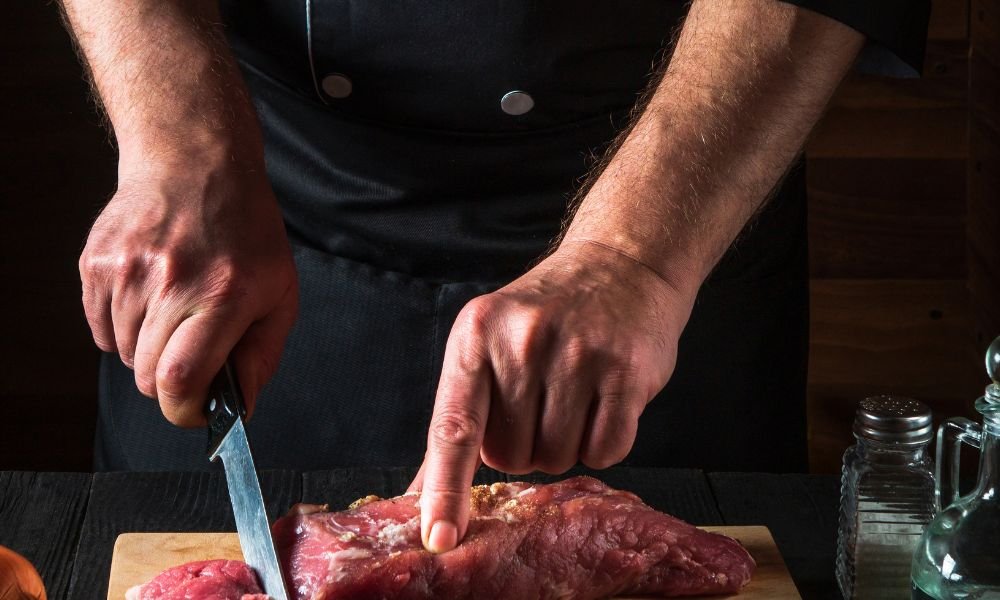
Culinary preparation demands structural order, yet the seemingly mundane act of slicing raw protein introduces a microscopic battlefield into the kitchen. Raw poultry, beef, and pork host a dynamic microbiome of virulent pathogens that easily colonize porous surfaces. Mastering how to clean a cutting board after raw meat is not merely a matter of aesthetic tidiness; it is a fundamental pillar of preventative public health within the domestic sphere. A cursory rinse fails to disrupt the microscopic anchor points where dangerous bacteria lodge. To truly secure a kitchen workspace, an intentional, multi-staged protocol must be enacted to neutralize invisible biohazards.
Why Learning How to Clean a Cutting Board After Raw Meat Matters
The Hidden Risks of Bacteria and Cross-Contamination
Microscopic pathogens are notoriously stealthy, remaining completely invisible to the naked eye while congregating in immense numbers. When raw protein contacts a surface, it deposits millions of cellular organisms that immediately begin seeking microscopic footholds. Cross-contamination occurs through a sequence of inadvertent transfers. A hand touches the contaminated plane, then handles a salad leaf; instantly, the pathogen vectors into a food item that requires no further cooking. This silent migration transforms an innocent dinner into a vector for severe gastrointestinal distress.
Why Proper Cleaning Protects Your Family and Your Food
Mitigating these biological hazards requires an understanding of structural sanitization. By institutionalizing a rigorous cleaning methodology, the domestic cook erects a barrier between pathogenic survival and human ingestion. Vulnerable populations, including young children and the immunocompromised, depend entirely on these unseen barriers. Furthermore, pristine surfaces preserve the organoleptic qualities—the pure flavor profiles and aromas—of subsequent ingredients, ensuring your food remains unadulterated.
What Happens When Raw Meat Touches a Cutting Board?
Common Bacteria That May Be Present
The juices exuded by raw flesh are rich in proteins and moisture, providing an ideal, nutrient-dense substrate for bacterial proliferation. Chief among these microscopic invaders are Salmonella, Campylobacter, and Shiga toxin-producing Escherichia coli.
These specific organisms possess specialized structures that allow them to adhere tenaciously to both organic and synthetic matrices. Left unaddressed, their populations can double every twenty minutes under temperate ambient conditions.
How Germs Spread to Other Foods
Capillary action pulls microscopic moisture—and the accompanying pathogens—deep into the physical grooves executed by sharp chef knives. When a secondary ingredient, such as raw onion or parsley, is processed on that exact spot, the blade mechanics scrape the embedded microbes loose. The bacteria append themselves to the fresh tissue. Because these subsequent items are frequently consumed raw, the biological shield of thermal eradication via cooking is entirely bypassed.
Supplies You’ll Need to Clean a Cutting Board After Raw Meat
Everyday Cleaning Essentials
Eradicating these resilient microbial colonies requires specific chemical and physical interventions. You must assemble a dedicated toolkit before commencing food preparation:
- Hot, running water: Ideally reaching temperatures above 60°C (140°F) to loosen lipids.
- Surfactant-rich dish soap: Formulated to break down hydrophobic animal fats.
- Heavy-duty scrubbing brush: Nylon bristles outperform sponges by reaching into deep micro-fissures.
- Disposable paper towels: Perfect for drying without cross-contaminating cloth textiles.
Optional Disinfecting Supplies for Extra Peace of Mind
While standard surfactants remove physical debris, true microbial destruction often requires chemical assistance. Keeping a supply of liquid chlorine bleach (sodium hypochlorite) allows for the creation of potent, virus-killing solutions. Alternatively, a 3% concentration of hydrogen peroxide provides a highly effective, non-chlorinated oxidizing agent. For those seeking commercial convenience, EPA-registered, food-safe sanitizing sprays offer standardized efficacy without the need for manual dilution.
How to Clean a Cutting Board After Raw Meat:
Step-by-Step
Remove Food Scraps Immediately
The cleaning sequence must begin the moment the meat leaves the surface. Use a bench scraper or a disposable paper towel to sweep away macroscopic tissue fragments, coagulated blood, and fat deposits directly into the waste bin. Allowing these organic materials to dry creates a hardened, protective shield known as a biofilm, which fiercely protects underlying bacteria from subsequent chemical treatments.
Wash Thoroughly with Hot Water and Dish Soap
Drench the surface in scalding water and apply a generous amount of high-tensile dish soap. Utilize your scrubbing brush to exert firm, circular physical pressure across the entirety of the plane, paying meticulous attention to the center where knife strikes concentrate. The soap acts as an emulsifier, surrounding lipids and suspending cellular debris within the aqueous solution.
Rinse the Board Completely
Stream clean, hot water over the entire object until every trace of soapy lather and suspended particulate matter is washed away. The rinse phase must be thorough, as residual surfactant can shield remaining bacteria or leave a chemical film that alters the taste of future food. Inspect the surface visually to ensure no tactile greasiness persists.
Sanitize the Surface Correctly
Washing merely removes superficial dirt; sanitizing actually destroys the remaining microscopic life. Apply your chosen chemical countermeasure across the damp surface, ensuring uniform coverage. The solution must remain undisturbed for a specific duration—typically several minutes—to allow the chemical agents to disrupt bacterial cell walls and denature internal proteins.
Let the Cutting Board Air Dry Fully
Moisture is the lifeblood of microbial resurgence. Avoid using a damp dish towel, which frequently harbors its own thriving ecosystem of yeast and bacteria. Instead, prop the object vertically in a clean, well-ventilated dish rack.
Air drying allows residual moisture to evaporate completely, creating a desiccated, hostile environment that causes any surviving bacterial cells to wither and perish.
How to Sanitize a Cutting Board Safely
Using a Diluted Bleach Solution
Liquid chlorine bleach remains the gold standard for residential sanitization due to its aggressive oxidative capacity. To prepare a safe, food-contact solution, mix 5 milliliters (approximately one teaspoon) of unscented liquid bleach into one liter of cool water. Submerge or thoroughly drench the surface with this mixture, allowing it to sit for at least two minutes before rinsing with clean water and air drying.
Using Hydrogen Peroxide
For an odorless alternative that avoids chlorine compounds, 3% hydrogen peroxide is exceptionally effective. Pour the undiluted solution directly onto the surface, spreading it evenly with a clean brush. You will likely observe a effervescent, bubbling reaction; this is oxygen releasing as it disrupts cellular membranes. Allow the effervescence to subside completely before executing a final rinse.
Using Food-Safe Sanitizing Products
Commercial sanitizers, particularly those utilizing quaternary ammonium compounds, provide reliable, shelf-stable alternatives. When using these products, it is imperative to read the manufacturer instructions regarding contact time. Some formulations require a subsequent clean-water rinse, while others are engineered to evaporate safely, leaving zero toxic residues behind.
How to Clean a Wooden Cutting Board After Raw Meat
Why Wood Needs Special Care
Hardwood variants, such as maple, walnut, and cherry, possess a complex cellular structure that exhibits natural capillary action. While these woods contain intrinsic antimicrobial compounds that work to suffocate bacteria over time, they are highly sensitive to environmental extremes. Excessive moisture causes the cellulose fibers to expand, while rapid drying leads to contraction, resulting in structural instability.
How to Sanitize Wood Without Damaging It
To safely process a wooden surface after raw meat exposure, avoid harsh thermal shocks or prolonged soaking. Employ the standard hot water and soap scrub swiftly, then apply the diluted bleach solution sparingly. Alternatively, spraying the wood with a fine mist of 3% hydrogen peroxide provides excellent disinfection without stripping the wood of its natural oils or degrading the cellular glue.
Mistakes to Avoid with Wooden Cutting Boards
- Never submerge wood in a sink of water: Saturation warps the wood grains irreversibly.
- Avoid concentrated, undiluted bleach: It breaks down the natural lignin fibers, causing wood to splinter.
- Do not dry near direct heat sources: Radiators or high-heat enclosures split the wood apart.
How to Clean a Plastic Cutting Board After Raw Meat
Safe Cleaning Methods for Plastic Boards
High-density polyethylene (HDPE) and polypropylene boards are highly valued for their non-porous surfaces and chemical resilience. They can withstand aggressive scrubbing and highly concentrated chemical inputs. After processing raw meat, these synthetic surfaces should be scrubbed vigorously with an anionic surfactant and hot water, followed by a thorough application of an oxidizing sanitizer to neutralize deep-seated pathogens.
What to Do When Deep Knife Grooves Appear
Over months of use, plastic surfaces inevitably develop an intricate network of deep scoring marks. These valleys act as micro-environments where bacteria hide from superficial cleaning efforts.
When a plastic board becomes heavily scored, manual scrubbing becomes insufficient; it must either be mechanically planed down to restore flatness or discarded entirely to prevent it from becoming a permanent biohazard vector.
Can You Put a Cutting Board in the Dishwasher?
Which Cutting Boards Are Dishwasher Safe
Plastic, composite, and certain rubber cutting boards are engineered to endure the intense environment of a mechanical dishwasher. The combination of sustained temperatures exceeding 65°C (150°F) and aggressive detergent spray provides exceptional sanitization. Ensure these items are placed securely on the bottom rack, away from direct contact with the heating element to prevent structural deformation.
When Hand Washing Is the Better Option
Wooden and bamboo options should never enter a dishwasher cycle. The prolonged exposure to moisture, combined with the intense heat of the drying cycle, will instantly ruin them. The wood will swell, crack, dissolve its binding adhesives, and frequently split into pieces. For these organic materials, careful hand washing followed by localized sanitization remains the only acceptable methodology.
Natural Cleaning Methods: Do They Really Work?
Cleaning With White Vinegar
Five percent acetic acid, commonly known as white distilled vinegar, possesses moderate antimicrobial properties. It is useful for general cleanup and dissolving mineral scales. However, scientific testing demonstrates that vinegar is significantly less effective than bleach or hydrogen peroxide against resilient foodborne pathogens like Salmonella. It should be viewed as a light cleaner rather than a heavy-duty sanitizer for raw meat cleanup.
Using Baking Soda for Stain Removal
Sodium bicarbonate, or baking soda, is a mild alkaline powder that excel at physical deodorization and gentle abrasion. When mixed with a small amount of water to form a thick paste, it can be buffed into stained surfaces to lift embedded organic pigments. While highly useful for cosmetic restoration, baking soda possesses virtually no disinfecting capability and must never be relied upon to kill dangerous bacteria.
Is Lemon Enough to Sanitize a Cutting Board?
The juice of a lemon contains citric acid, which imparts a pleasant aroma and can brighten surface discoloration.
Scientific Reality: Citric acid is far too weak to reliably eliminate the robust pathogens left behind by raw poultry or pork. Relying on a rubbed lemon to sanitize after raw meat creates a dangerous illusion of safety while leaving bacterial colonies largely intact.
Common Mistakes to Avoid When Cleaning a Cutting Board After Raw Meat
Waiting Too Long Before Washing
Allowing a contaminated board to sit on the counter while you enjoy your meal is a recipe for biofilm development. As the meat juices dry, they form a hardened protein matrix that glues bacteria to the surface. Wash the board immediately after use to catch the pathogens while they are still suspended in a liquid state.
Using the Same Sponge for Everything
Using a standard kitchen sponge to wipe up raw meat juices is one of the fastest ways to spread bacteria. Sponges are highly porous, structurally moist, and virtually impossible to sanitize fully at home. They quickly turn into a mobile incubator, spreading Campylobacter to every plate, fork, and countertop they touch. Use a brush or disposable paper towels instead.
Skipping the Sanitizing Step
Many cooks assume that if a board looks clean and smells fresh, the job is done.
[Visual Cleansing] –> Removes visible grease/meat debris
≠
[Microbial Sanitizing] –> Destroys invisible pathogens
Skipping the chemical sanitizing step leaves microscopic populations alive and ready to cross-contaminate the next item placed on the board.
Storing a Damp Cutting Board
Stacking wet cutting boards flat against one another or sealing them inside dark cabinets traps residual moisture. This creates an ideal, humid microclimate for mold spores and surviving bacteria to multiply. Always allow boards to dry completely in a vertical position with plenty of airflow before putting them away.
How to Remove Odors and Stains After Preparing Raw Meat
Eliminating Lingering Smells
Volatile organic compounds from onions, garlic, and raw meats can become chemically bonded to both wood and plastic. To neutralize these stubborn odors, sprinkle the dry surface generously with coarse sea salt. Take half a lemon or a damp brush and scrub the salt crystals vigorously across the surface; the abrasive action lifts embedded compounds while the salt absorbs the volatile oils.
Removing Stubborn Discoloration
Blood and pigments from raw meat can leave unsightly yellow or brown stains on white plastic boards. To restore their original appearance, create a paste using equal parts baking soda, hydrogen peroxide, and water. Apply this mixture directly to the stains and let it sit for thirty minutes before scrubbing with a stiff brush and rinsing thoroughly.
When It’s Time to Replace Your Cutting Board
Warning Signs Your Board Is No Longer Safe
No cutting board lasts forever, and continuing to use a worn-out board introduces serious food safety risks. Keep a close eye out for these clear warning signs that your board has reached the end of its useful life:
- Persistent odors that remain even after thorough sanitization.
- Visible warping that prevents the board from sitting flat on the counter.
- Deep discoloration that cannot be removed with peroxide or baking soda.
- A fuzzy texture on plastic boards, indicating frayed polymer chains.
Cracks, Deep Cuts, and Permanent Damage
A cutting board that develops deep structural fissures or splits down the center must be discarded immediately. These deep cracks create a safe haven where bacteria can thrive completely out of reach of scrubbing bristles or chemical sanitizers.
Investing in a replacement board is a small price to pay to keep your kitchen free from foodborne illnesses.
Tips to Prevent Cross-Contamination in the Kitchen
Use Separate Cutting Boards for Raw Meat and Produce
The most effective way to eliminate cross-contamination is to establish strict physical boundaries. Dedicate one specific cutting board exclusively to raw meats and poultry, and use a completely separate board for ready-to-eat foods like bread, cheese, and fresh produce. This simple separation ensures that even if a pathogen survives a cleaning cycle, it never comes into contact with foods that won’t be cooked.
Color-Coded Cutting Boards Made Simple
Adopting a commercial color-coded system makes kitchen organization effortless, especially in busy households. Use a bright red board strictly for raw meats, a yellow board for raw poultry, and a vibrant green board exclusively for fresh fruits and vegetables. This clear visual system removes all guesswork and prevents accidental cross-contamination.
Proper Handwashing While Preparing Food
Your hands are the ultimate transport system for kitchen bacteria. Every time you touch raw meat, you must wash your hands thoroughly with warm water and soap for at least twenty seconds before touching any other tool, ingredient, or surface. Never rely on a quick water rinse to clean your hands mid-recipe.
Daily Cutting Board Care for Longer Lifespan
Cleaning After Every Use
Consistent, daily maintenance is the secret to a long-lasting cutting board. Clean your boards immediately after every single use, regardless of whether you cut raw meat or just a single piece of fruit. Regular cleaning prevents organic matter from degrading the surface materials over time.
Oiling and Maintaining Wooden Cutting Boards
Wooden boards require routine hydration to prevent drying and cracking. Once a month, wipe the clean, dry board with a generous coat of food-grade mineral oil or beeswax.
Allow the oil to penetrate the wood fibers overnight, then buff away any excess with a clean cloth to create a natural, water-resistant barrier.
Proper Storage to Prevent Mold and Bacteria
Store your clean, dry cutting boards vertically in a designated slot, rack, or hanging hook. Avoid stacking them flat on top of each other or sliding them into damp, unventilated spaces beneath the sink. Proper airflow keeps the surfaces dry, clean, and completely inhospitable to mold and bacteria.
Frequently Asked Questions About How to Clean a Cutting Board After Raw Meat
Can dish soap alone kill bacteria?
No, standard dish soap is not formulated to kill bacteria. Its job is to act as a surfactant, lifting grease, fats, and pathogens off the surface so they can be washed down the drain. To actually kill remaining microbes, you must follow up with a dedicated chemical sanitizer.
How often should you sanitize a cutting board?
You should sanitize your cutting board every single time it comes into contact with raw meat, poultry, or seafood. For general items like bread or vegetables, a standard wash with hot water and dish soap is completely sufficient.
Is bleach safe for cutting boards?
Yes, when it is diluted properly. A solution of one teaspoon of unscented liquid bleach per liter of water is highly effective at sanitizing food-contact surfaces and breaks down safely as it dries. Never use undiluted bleach directly on your boards.
Can raw chicken contaminate a wooden cutting board permanently?
No, not if the board is made of a high-quality hardwood and is cleaned correctly. While wood is porous, its natural capillary action pulls bacteria deep inside where they are starved of oxygen and nutrients, eventually causing them to die off naturally.
What’s the safest cutting board material for raw meat?
High-density plastic or non-porous rubber boards are generally the safest choices for processing raw meat. They are highly resistant to deep knife scoring, can withstand aggressive chemical sanitizers, and can be safely sanitized in a dishwasher.
Quick Cleaning Checklist: How to Clean a Cutting Board After Raw Meat
Simple Routine to Follow Every Time
- Clear: Scrap away all leftover meat pieces and juices right into the trash.
- Scrub: Wash vigorously with hot water, grease-cutting dish soap, and a stiff brush.
- Rinse: Flush the surface with clean, hot water to remove all soap residue.
- Sanitize: Apply a diluted bleach solution or 3% hydrogen peroxide and let it sit for two minutes.
- Dry: Prop the board up vertically in a well-ventilated area to air dry completely.
Easy Habits That Improve Kitchen Food Safety
Keep a dedicated spray bottle filled with 3% hydrogen peroxide right by your sink for quick, convenient sanitizing. Make it a habit to pull out a fresh color-coded board whenever switching from meat prep to vegetable chopping, and always keep your work areas clear of unnecessary clutter.
Final Takeaways on How to Clean a Cutting Board After Raw Meat
Mastering the proper routine for cleaning a cutting board after raw meat is an essential skill for any home cook. By combining a vigorous physical scrub with a targeted chemical sanitizer, you can easily neutralize dangerous foodborne pathogens before they ever have a chance to spread.
Developing these smart, sanitary habits takes only a few extra minutes, but it pays off by keeping your kitchen safe, your family healthy, and your meals delicious.
Related Cleaning Guides