
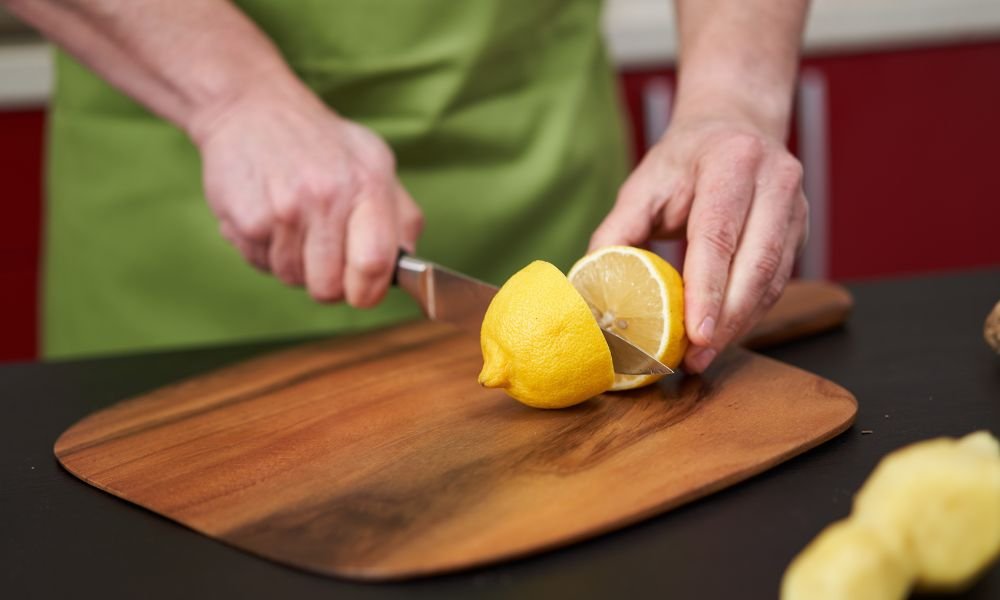
The modern culinary workspace operates as an intersection of sensory indulgence and rigorous hygiene. While chemical interventions provide undeniable sanitizing power, a growing preference for natural kitchen maintenance has illuminated the virtues of botanical cleansers. Chief among these organic remedies is the humble citrus fruit, particularly the lemon (Citrus limon). Learning how to clean a cutting board with lemon offers an eco-friendly, highly aromatic methodology for restoring work surfaces. This age-old practice relies on the natural chemistry of organic compounds to dissolve grime and refresh materials. By implementing this approach, home cooks can elevate their sanitation standards while avoiding the harsh chemical residues often associated with industrial disinfectants.
Why Learn How to Clean a Cutting Board with Lemon?
The Benefits of Using a Natural Cleaning Method
Opting for botanical agents minimizes human exposure to volatile organic compounds (VOCs) and synthetic surfactants. Conventional commercial cleaners often contain synthetic perfumes and aggressive bleaching agents that can leach into food matrices during subsequent preparation cycles. A natural methodology leverages biodegradable elements that easily break down without leaving hazardous residues behind. Furthermore, it safeguards the longevity of artisanal kitchen tools by utilizing non-corrosive, nature-derived ingredients.
Why Lemon Is a Popular Choice for Everyday Kitchen Maintenance
Citrus fruits possess a unique chemical composition that aligns perfectly with domestic maintenance needs. This is because the rind contains d-limonene, a powerful natural solvent capable of slicing through stubborn lipid structures and essential oils left behind by aromatic ingredients.
[Lemon Juice] —> Citric Acid —> Chelation & Low pH (Breaks down mineral scale/grime)
[Lemon Peel] —> d-Limonene —> Lipophilic Solvent (Dissolves oils & greasy films)
How to clean a cutting Board with Lemon: Why Lemon Works
Additionally, the fresh citrus aroma provides an immediate sense of cleanliness. As a result, it transforms a routine chore into a more pleasant and refreshing experience. It serves as an accessible, cost-effective tool that is almost always close at hand in a well-stocked kitchen.
Natural Acidity and Its Cleaning Properties
A lemon cleans effectively because of its high citric acid content. Its pH typically ranges between 2.0 and 3.0. This acidic environment acts as a natural chelating agent. It binds to mineral deposits and breaks down alkaline residues from certain vegetables. The acid also disrupts the cellular environment of many common microbes. As a result, their proteins denature and lose structural integrity.
How Lemon Helps Reduce Odors and Freshen Surfaces
Onions, garlic, and fish exude highly volatile, sulfurous compounds and amines that bond tenaciously to organic substrates. The citric acid in lemon juice reacts with alkaline odor molecules through acid-base neutralization. As a result, it neutralizes unpleasant smells instead of masking them. Unlike synthetic fragrances, citrus compounds alter the molecular structure of odorants. Consequently, human olfactory receptors can no longer detect the odors.
What Lemon Can and Cannot Do When It Comes to Sanitizing
Although cleaning a cutting board with lemon is highly effective for daily maintenance, it has important biological limitations. Citrus juice can easily inhibit the growth of minor spoilage yeasts and common environmental bacteria.
Important Boundary: Lemon juice is not an EPA-registered disinfectant and cannot reliably eradicate virulent, spore-forming pathogens. It lacks the aggressive oxidative capacity of chlorine bleach or high-concentration hydrogen peroxide.
How to Clean a Cutting Board with Lemon on Different Board Types
Wooden Cutting Boards
Hardwoods like maple, cherry, and walnut possess a natural cellular porosity that benefits significantly from citrus therapy. The mild acidity of the juice works in harmony with the wood’s natural defenses. As a result, it gently removes organic residues from the grain without stripping essential moisture. It is an ideal method for maintaining the elegant appearance of high-end end-grain or edge-grain wooden blocks.
Plastic Cutting Boards
High-density polyethylene (HDPE) and polypropylene surfaces are prone to retaining stubborn, unsightly pigment stains from beta-carotene-rich foods like carrots and beets. The application of lemon juice, particularly when paired with ultraviolet sunlight, serves as a gentle, non-destructive optical brightener. It helps lift superficial discoloration from the synthetic polymer matrix without causing the plastic to dry out, warp, or crack over time.
Bamboo Cutting Boards
Technically a hard grass rather than true wood, bamboo is bound together by specialized food-grade structural adhesives. Because it is highly sensitive to extreme moisture and harsh chemicals, traditional cleansers can cause the laminated strips to separate.
Using a lemon allows for localized, low-moisture cleaning that refreshes the sleek exterior without threatening the internal glue bonds.
Composite Cutting Boards
Engineered from resin-saturated cellulose fibers pressed under immense heat, composite boards are exceptionally dense and highly scratch-resistant. However, they can occasionally develop a dull, cloudy surface film from hard water minerals and fat deposits. The natural chelating properties of citric acid work quickly to dissolve this hazy mineral film, restoring the board’s deep, original color profile and smooth finish.
How to Clean a Cutting Board with Lemon: Required Supplies
Fresh Lemons
For maximum cleaning efficiency, always utilize fresh, plump fruits rather than aged, dehydrated specimens. The living tissue of a fresh citrus fruit ensures a high concentration of active citric acid and a rind dripping with potent d-limonene oils. A single medium-sized fruit is typically sufficient to treat both sides of a standard large cutting surface.
Coarse Salt for Gentle Scrubbing
Coarse sea salt or kosher salt acts as a brilliant, eco-friendly abrasive agent. The large, angular crystals provide gentle scrubbing power without creating microscopic gouges. Meanwhile, they dislodge stubborn food particles from the surface. As they scrub, the salt crystals gradually dissolve into the lemon juice. This process forms an exfoliating paste that penetrates the surface texture.
Baking Soda for Stubborn Stains
Sodium bicarbonate, or baking soda, is a mild alkaline powder. In contrast, it serves as a gentle chemical counterpart to acidic lemon juice. When targeted at deep, oxidized food stains, its effervescent properties lift embedded pigments out of the board. It also provides a secondary layer of mechanical abrasion for particularly difficult spots.
Soft Scrub Brush or Sponge
To maximize your mechanical cleaning efforts, keep a non-scratch nylon scrub brush or a dual-sided cellulose sponge nearby. Avoid wire brushes or heavy steel wool, as these aggressive tools will permanently score both wood and plastic surfaces. A softer brush allows you to agitate the natural cleaning solution safely across the entire plane.
Clean Cloth or Paper Towels
A lint-free microfiber cloth or thick, unbleached paper towels are essential for the final drying and buffing stages. These absorbent materials quickly pull away loose moisture and any remaining suspended debris. Additionally, utilizing a dedicated, clean cloth ensures that you do not reintroduce bacteria back onto your freshly refreshed surface.
How to Clean a Cutting Board with Lemon: Step-by-Step
Remove Loose Food Particles First
Begin the process by clearing the board of all visible, macroscopic debris. Use a bench scraper, spatula, or a quick swipe of a damp cloth to remove any leftover herb fragments, vegetable skins, or stray seeds. By doing so, clearing away this superficial material allows the citrus juice to make direct, unhindered contact with the actual board surface.
Sprinkle Coarse Salt Over the Surface
Cast a generous, even layer of coarse kosher or sea salt across the entire workspace. Pay special attention to the central zone of the board, as this is where the majority of knife strikes land and where organic material is most likely to be embedded. For best results, the salt layer should resemble a light dusting of winter frost.
Cut a Fresh Lemon and Scrub the Board
Slice your fresh lemon cleanly in half to expose the juicy interior pulp. Grasping the fruit firmly by the rind, press the cut side down directly onto the salted surface.
Move the lemon half in firm, deliberate, circular patterns across the board, squeezing gently as you go to release a steady stream of fresh juice. The interaction between the crunchy salt and the acidic juice creates a powerful, exfoliating slurry.
Let the Lemon Juice Sit for a Few Minutes
Once the surface is covered with the lemon and salt mixture, stop scrubbing. Then, let the board sit undisturbed for five to ten minutes. During this time, the citric acid breaks down stubborn proteins. It also dissolves mineral bonds and lifts deep-seated organic pigments from the pores.
Rinse Thoroughly with Warm Water
Take the board to the sink and flush it with a steady stream of clean, warm water. Use your clean hands or a soft brush to wash away every trace of the salt crystals, pulpy residue, and suspended grime. Ensure that both the front and back of the board are thoroughly rinsed to eliminate any sticky sugar residues from the fruit juice.
Dry the Cutting Board Completely Before Storing
Moisture is the primary catalyst for structural degradation and microbial growth. Wipe the surface down immediately with an absorbent towel to remove standing water. Afterward, prop the board up vertically in a well-ventilated dish rack, allowing air to circulate freely around all sides until the material is completely dry to the touch.
How to Remove Stains Using Lemon
Treating Discoloration from Fruits and Vegetables
Brightly colored produce like tomatoes, berries, and turmeric can leave behind stubborn, unsightly stains on your work surfaces. To combat this discoloration, squeeze fresh lemon juice directly onto the stained areas and rub it in thoroughly. For an extra boost, place the juice-soaked board out in direct sunlight for two hours; the UV rays work together with the citric acid to create a natural, powerful bleaching effect that fades stains away.
Lifting Stubborn Food Stains Naturally
For darker, more resilient food stains that refuse to budge, combine the power of lemon juice with the gentle abrasive action of baking soda. Sprinkle the soda over the stain, then press and rub the cut lemon over the area to trigger a fizzing, effervescent reaction.
[Baking Soda] + [Lemon Juice] —> Effervescent Carbon Dioxide Bubbles (Lifts trapped pigments mechanically)
This active bubbling works to lift the trapped pigments right out of the material’s micro-fissures.
Tips for Older, Set-In Stains
Older stains that have had time to oxidize and settle deep into the board require a longer, more sustained treatment. Create a thick, spreadable paste using fresh lemon juice, coarse salt, and baking soda, and apply it directly over the problem spots. Cover the paste with a damp paper towel to keep it from drying out, and let it sit overnight before scrubbing and rinsing it clean the next morning.
How to Remove Odors with Lemon
Eliminating Garlic and Onion Smells
Garlic and onions owe their pungent, lingering aromas to highly volatile, sulfur-based molecules that cling tenaciously to cutting surfaces. A simple soap-and-water wash often fails to break these tough chemical bonds. Rubbing the board thoroughly with a fresh lemon wedge breaks down these sulfurous compounds on a molecular level, neutralizing the odor completely and leaving behind a crisp, clean scent.
Freshening Boards After Preparing Seafood
The distinctive, fishy odor left behind by fresh seafood is caused by volatile amines, which are highly alkaline in nature. Because these compounds are basic, the intense acidity of fresh lemon juice is the perfect countermeasure. The acid neutralizes the amines on contact, instantly halting the fishy odor and ensuring your board smells fresh and clean for your next recipe.
Keeping Your Cutting Board Smelling Clean
To prevent odors from building up and sinking deep into your boards over time, make citrus maintenance a regular part of your routine. A quick, bi-weekly rubdown with a leftover lemon half after cooking is an easy, proactive way to keep foul odors from establishing a foothold in your kitchen tools.
How to Clean a Wooden Cutting Board with Lemon
Why Wood Requires Extra Care
As an organic, living material, wood responds dynamically to changes in its environment. Harsh chemical cleansers and excessive soaking can strip away the wood’s natural, protective oils, leaving the cellulose fibers dry, brittle, and vulnerable to splitting.
Using a gentle lemon cleaning method allows you to refresh the surface without exposing the delicate wood fibers to destructive chemical extremes.
Avoiding Damage While Cleaning
When cleaning wooden surfaces, it is important to avoid over-saturating the material with liquid. Apply the lemon juice efficiently, complete your targeted scrub, and move directly to the rinsing stage without letting liquid pool on the surface for too long. Never leave a wooden board soaking in a wet sink, as this will quickly cause the wood grains to swell and warp.
Conditioning the Board After Cleaning
Because the natural acidity of lemon juice can strip away superficial oils, it is essential to replenish that lost moisture after the board has dried completely. Apply a thin, even coat of food-grade mineral oil or a specialized beeswax conditioner to the wood. Buffing this into the surface restores the wood’s natural hydration and creates a beautiful, water-resistant protective barrier.
How to Clean a Plastic Cutting Board with Lemon
Best Practices for Plastic Surfaces
Plastic cutting boards can handle a more vigorous, high-pressure scrub than their delicate wooden counterparts. When tackling synthetic surfaces, do not hesitate to apply firm physical pressure with your lemon half and coarse salt. This deep mechanical action ensures the cleaning solution penetrates deep into the complex web of superficial knife scores to lift out trapped grime.
When Additional Sanitizing Is Recommended
While a lemon scrub is fantastic for removing everyday stains and odors from plastic boards, it is not a complete sterilizing solution.
If your plastic board has just been used to process raw meats, poultry, or seafood, you must skip the natural methods and opt for a high-temperature dishwasher cycle or an EPA-registered disinfectant to guarantee all dangerous pathogens are completely destroyed.
Lemon and Salt: The Perfect Natural Cleaning Duo
Why Coarse Salt Boosts Cleaning Power
The combination of lemon juice and coarse salt creates a highly effective, dual-action cleaning system. While the liquid juice chemically loosens stubborn grime and organic bonds, the hard salt crystals provide the mechanical power needed to scrub those particles away. Together, they form an incredibly efficient, self-dissolving abrasive paste that cleans deeply without damaging your tools.
How to Scrub Without Scratching the Surface
The secret to safe, scratch-free scrubbing lies in using the flat, soft pulp of the lemon half to guide the salt crystals across the board. The yielding texture of the fruit cushions the abrasive salt, allowing it to polish away surface stains and debris without leaving deep, permanent scratches in wood, bamboo, or plastic surfaces.
When to Repeat the Process
For cutting boards that have been neglected or are showing signs of heavy buildup, a single cleaning pass may not be enough to achieve perfect results. If you notice lingering odors or faint stains after your initial rinse, simply reapply a fresh layer of salt and execute a second targeted scrub to clear away the remaining residue.
Lemon vs. Other Natural Cleaning Methods
Lemon vs. White Vinegar
While both lemon juice and white vinegar are highly valued for their natural acidity, they excel in slightly different areas. White vinegar utilizes acetic acid, which makes it a phenomenal choice for general, everyday wiping and neutral wiping tasks.
Lemon juice, on the other hand, relies on citric acid and active d-limonene solvents, making it significantly more effective at cutting through greasy lipid films, lifting tough organic stains, and leaving behind a beautifully fresh scent.
Lemon vs. Baking Soda
Baking soda operates on the opposite end of the pH scale as a mild alkaline agent, making it excellent for absorbing foul odors and providing gentle, non-destructive abrasion. While baking soda excels at lifting greasy residue, it lacks the ability to dissolve hard water mineral scales or break down stubborn alkaline odors. Pairing it with the intense acidity of a lemon creates a balanced, comprehensive cleaning system.
Lemon vs. Hydrogen Peroxide
Hydrogen peroxide is a powerful oxidizing sanitizer that excels at destroying cellular walls and neutralizing microscopic pathogens. While it is a far more potent disinfectant than fresh lemon juice, it lacks the solvent power needed to cut through heavy grease or strip away persistent odors. Peroxide is best reserved for deep sanitization, while lemon remains the superior choice for everyday cosmetic and aromatic maintenance.
Choosing the Right Method for Different Cleaning Needs
Selecting the ideal natural cleaning agent depends entirely on the specific task at hand:
- For stubborn cosmetic stains: Deploy a powerful paste of lemon juice and baking soda.
- For daily aromatic freshening: Use a simple, quick rubdown with a fresh lemon half.
- For deep biological sanitization: Turn to the reliable strength of hydrogen peroxide or diluted bleach.
Common Mistakes to Avoid When Cleaning a Cutting Board with Lemon
Using Bottled Lemon Juice Instead of Fresh Lemons
Convenient squeeze bottles of store-bought lemon juice are often treated with chemical preservatives and flash-pasteurized, which significantly reduces their natural enzymatic activity. Furthermore, bottled juice completely lacks the essential d-limonene oils found inside a fresh fruit’s rind. Always use real, fresh citrus fruits to get the full cleaning and solvent benefits.
Leaving Lemon Juice on the Board Too Long
Because citric acid is a relatively mild acid, it is easy to assume that leaving it on a board indefinitely will deliver better results. However, allowing highly acidic juice to pool on a wooden surface for hours can break down the natural lignin fibers, causing the wood to become fuzzy, soft, and structurally weakened. Limit your contact times to ten minutes or less.
Forgetting to Dry the Board Completely
Failing to dry a cutting board thoroughly before putting it away completely undoes all your hard work. Trapping lingering moisture inside dark cabinets or tight drawers creates a humid environment where destructive mold spores and surviving bacteria can thrive. Always give your boards plenty of time to air dry vertically before storage.
Assuming Lemon Alone Disinfects After Raw Meat
Relying solely on a fresh lemon to sanitize a cutting surface after it has been exposed to raw chicken, beef, or pork is a dangerous food safety mistake.
While citrus juice is fantastic for everyday cleanup, it simply cannot kill aggressive foodborne pathogens like Salmonella or E. coli. Always use an approved, heavy-duty disinfectant after handling raw meats.
How Often Should You Clean a Cutting Board with
Lemon?
Daily Maintenance Tips
For kitchens that see daily action, a quick citrus refresh can be done every few days after processing standard ingredients like vegetables or bread. Afterward, simply use a leftover lemon wedge from your cooking prep to wipe down the board after a standard soap-and-water wash. This simple step helps keep stains and odors from building up over time.
Weekly Deep-Cleaning Routine
If you use your cutting boards heavily throughout the week, schedule a dedicated deep-cleaning session every weekend. Set aside five minutes to perform a comprehensive coarse salt and fresh lemon scrub across all your boards, ensuring they stay bright, clean, and completely odor-free for the week ahead.
Seasonal Care for Frequently Used Cutting Boards
As the seasons change and humidity levels shift, take the time to give your kitchen tools some extra attention. Pair your seasonal lemon and baking soda scrubs with a fresh, restorative application of food-grade mineral oil to keep your wooden and bamboo boards perfectly hydrated, smooth, and split-resistant all year round.
Extra Tips to Keep Your Cutting Board Looking Like New
Preventing Stains Before They Happen
The easiest way to deal with tough stains is to prevent them from setting into your boards in the first place. Before you begin slicing highly pigmented ingredients like fresh beets, berries, or turmeric, give your board a quick rinse with cold water or apply a very light coat of mineral oil. This simple step creates a protective barrier that stops deep stains from taking hold.
Proper Storage Techniques
For best results, always store your clean, completely dry cutting boards standing upright in dedicated slots, a vertical drying rack, or hanging from secure hooks. This practice ensures excellent airflow around all sides of the board, preventing moisture from pooling and keeping the material safe from mold and warping.
Rotating Cutting Boards for Longer Lifespan
Avoid using the exact same spot on the same cutting board for every single meal. Get into the habit of flipping your boards over to use both sides evenly, and rotate through your collection regularly. Distributing the mechanical wear from your knives across multiple surfaces helps extend the working life of all your boards.
Caring for Wooden Cutting Boards After Lemon Cleaning
Applying Food-Grade Mineral Oil
Once your wooden board has dried completely following a lemon scrub, it is time to restore its natural moisture. Pour a generous amount of pure, food-grade mineral oil onto the surface and spread it evenly with a clean cloth.
Avoid using vegetable or olive oils, as these organic fats will eventually oxidize and turn rancid, creating foul odors right on your board.
Preventing Cracks and Drying
Regularly treating your wooden boards with mineral oil keeps the delicate wood fibers supple, hydrated, and tightly bound together. This consistent care stops the material from drying out, pulling apart, and developing dangerous cracks where bacteria can easily hide out of reach.
Maintaining a Smooth Cutting Surface
If months of heavy knife work have left your wooden board looking fuzzy, rough, or deeply scored, you can easily restore its original smoothness. Use a sheet of fine 220-grit sandpaper to gently sand down the dry wood grain, wipe away the dust, and follow up with a fresh lemon clean and a rich coat of mineral oil to make it look brand new.
Signs Your Cutting Board Needs More Than a Lemon Cleaning
Deep Knife Grooves
When a plastic or wooden board becomes covered in a dense network of deep, frayed knife gouges, a simple lemon scrub is no longer enough to keep it safe. These deep physical valleys act as protected bunkers where organic waste and bacteria can accumulate completely out of reach of your cleaning tools, making the board a permanent food safety hazard.
Persistent Odors
If a cutting board continues to emit a foul, sour, or pungent odor even after you have treated it with multiple targeted lemon and salt scrubs, it is a clear sign that organic material has seeped deep into the inner core of the board. At this stage, manual surface cleaning is no longer effective.
Stubborn Stains That Won’t Disappear
When dark, deep-seated discoloration refuses to fade after being treated with lemon juice, baking soda, and direct sunlight, the material itself has become permanently altered. These deeply embedded stains can begin to affect the taste and quality of your food, indicating it is time to move on.
Knowing When It’s Time for a Replacement
Do not hesitate to retire a worn-out cutting board when it shows clear signs of permanent damage. If your board is severely warped, split down the center, or covered in deep, un-cleanable grooves, replace it immediately. Investing in a fresh, clean workspace is an easy, necessary step to keep your kitchen running safely.
Frequently Asked Questions About How to Clean a Cutting Board with Lemon
Is lemon safe for all cutting board materials?
Yes, fresh lemon juice is completely safe to use across all standard cutting surface materials, including hardwoods, bamboo, high-density plastics, and composite fibers. Its mild, natural acidity refreshes surfaces without causing material damage.
Can lemon remove bacteria effectively?
Lemon juice can easily inhibit light environmental yeasts and everyday spoilage microbes thanks to its acidic pH. However, it is not a registered disinfectant and should never be trusted to eliminate dangerous foodborne pathogens.
Can lemon damage wooden cutting boards?
Only if it is left on the surface for an extended period of time. While a quick ten-minute scrub is excellent for lifting stains and odors, leaving highly acidic juice on wood for hours can break down the natural fibers and soften the material.
Should lemon be used after cutting raw meat?
However, a fresh lemon scrub does not have the strength needed to destroy aggressive pathogens like Salmonella left behind by raw meat. Instead, always use hot water, heavy soap, and an approved chemical sanitizer after handling raw proteins. This ensures your kitchen surfaces are properly disinfected and safe for food preparation.
Can lemon and baking soda be used together?
Absolutely. Combining the acidic juice of a lemon with alkaline baking soda triggers a powerful, fizzing reaction that is fantastic for lifting deep stains and scrubbing away stubborn, dried-on food debris.
Quick Cleaning Routine: How to Clean a Cutting Board with Lemon
A Five-Minute Natural Cleaning Process
- Clear: Sweep away all loose food scraps and visible crumbs from the surface.
- Dust: Sprinkle a generous, even layer of coarse salt across the workspace.
- Scrub: Work a fresh lemon half in firm, circular motions over the salt for two minutes.
- Sit: Let the active citrus mixture rest on the board for three minutes to lift stains.
- Flush: Rinse thoroughly under clean, warm running water and stand the board up to dry.
Easy Habits for a Cleaner, Fresher Kitchen
Keep a few fresh lemons on hand in your kitchen fruit bowl so they are always ready for quick cleanup tasks. Getting into the simple habit of using leftover citrus halves to wipe down your workspace at the end of the night is an effortless way to keep your kitchen looking bright, smelling incredible, and ready for your next culinary adventure.
Final Thoughts on How to Clean a Cutting Board with Lemon
Ultimately, integrating natural citrus cleaning into your kitchen maintenance is an incredibly rewarding, eco-friendly habit that brings excellent results. By doing so, and by leveraging the natural chemistry of citric acid and d-limonene solvents, you can easily maintain pristine work surfaces without relying on harsh, smelly synthetic chemicals for everyday messes. As a result, your kitchen stays cleaner, fresher, and more environmentally friendly with minimal effort.
Taking just a few minutes to perform a regular lemon and salt scrub preserves the beauty of your cutting boards, keeps stubborn odors at bay, and helps ensure your kitchen tools last for years to come.
Related Guides
If you found this guide helpful, you may also like: