
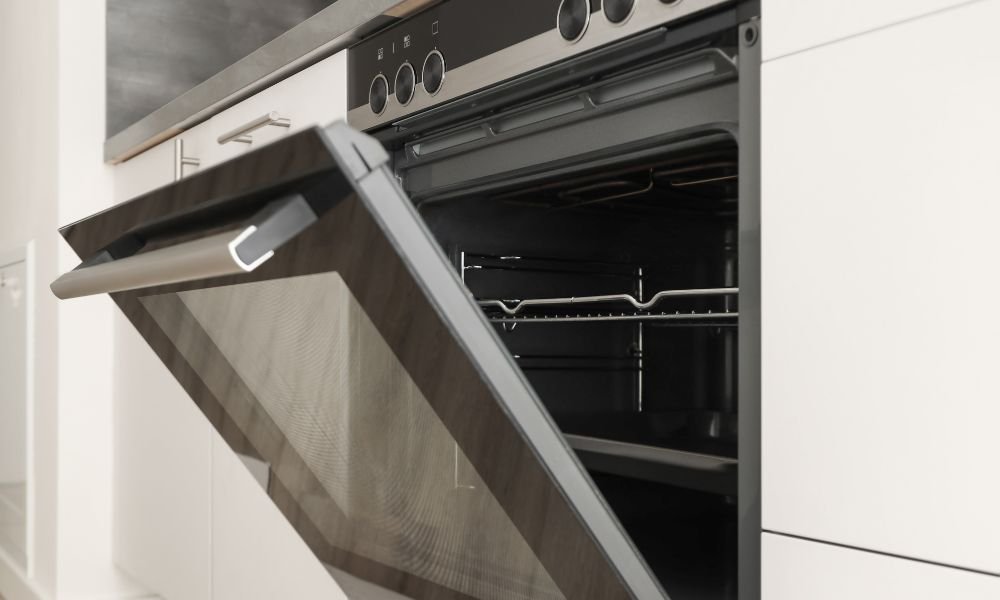
Learning how to clean a toaster oven glass door properly helps maintain visibility and keeps your appliance looking clean.
A pristine viewing window elevates the visual appeal of a kitchen space. Conversely, a window obscured by baked-on residue acts as an aesthetic detractor.
Common Reasons to Clean a Toaster Oven Glass Door
High-velocity heat expansion forces volatile lipid compounds to vaporize during the cooking cycle. These airborne fats settle upon the cooler surface of the window pane. Over time, repeated thermal cycles polymerize these oils, turning a translucent barrier into an opaque amber shield. Crumbs lodging in the lower seal further exacerbate the accumulation.
Benefits of a Clean Toaster Oven Glass Door
Visibility is paramount for precise culinary execution. Monitoring the Maillard reaction—the browning of sugars and amino acids—requires an unobstructed line of sight to prevent accidental carbonization. Furthermore, a pristine surface prevents old, trapped grease from volatilizing and imparting acrid, rancid undertones into newly introduced food items.
What readers will learn in this guide
This manual delineates systematic strategies to restore optical clarity to compromised glass. Readers will discover the chemistry of grease degradation, precise structural precautions, and methods to safely navigate both natural and synthesized cleansing agents.
Understanding How to Clean a Toaster Oven Glass Door
Glass engineered for thermal appliances undergoes specialized structural treatments. Treating it like standard window panes invites structural failure.
How toaster oven glass is designed
Most modern counter-top cookers employ tempered glass. This material undergoes controlled thermal or chemical treatments to increase its mechanical and thermal strength compared to normal plate glass. Tempering creates balanced internal stresses, ensuring that if the barrier does fail, it fractures into small, granular chunks rather than jagged shards.
Why grease, food splatters, and stains build up
The proximity of the heating elements to the door means food particles experience extreme localized heat. When sauces bubble and spit, they deposit proteins and sugars directly onto the tempered plane. The intense infrared radiation rapidly bakes these deposits, desiccating the moisture and leaving behind a carbonized matrix that tenaciously bonds to the silica surface.
Mistakes that can permanently damage the glass
Thermal shock is the primary catalyst for catastrophic glass failure. Introducing cold liquids to a hot pane induces rapid localized contraction, causing micro-fractures to propagate instantly across the surface.
Mechanical abrasion from aggressive scoring pads creates microscopic fissures that compromise the structural integrity of tempered panels over time.
What You’ll Need Before You Start
Success depends entirely on the preparation of specific chemical and mechanical vectors. Gathering the correct toolkit prevents ad-hoc, damaging substitutions.
Essential cleaning supplies
- Microfiber towels: High-density weave options capture loosened particulates without shedding fibers.
- Non-scratch scrubbing sponges: Polyurethane or nylon mesh varieties provide mechanical agitation without marring the silica substrate.
- Plastic razor blade or scraper: Essential for physically shearing thick, carbonized crusts without scratching the glass.
Natural cleaning ingredients you may already have
- Sodium bicarbonate (Baking soda): Acts as a mild crystalline abrasive and a base to neutralize acidic fat bonds.
- Acetic acid (Distilled white vinegar): A mild acid capable of dissolving mineral scales and cutting through alkaline residues.
- Fresh lemon juice: Contains citric acid and d-limonene, both naturally occurring solvents with powerful degreasing properties.
Cleaning products to avoid
Avoid pumice-based scouring powders and heavy-duty steel wool filaments. Avoid industrial oven sprays containing high concentrations of sodium hydroxide unless specifically formulated and rated for delicate countertop appliances, as these can etch the glass surface permanently and corrode surrounding aluminum trim.
Safety Tips to Clean a Toaster Oven Glass Door
Domestic maintenance requires strict adherence to safety protocols to prevent physical injury or appliance degradation.
Turn off and unplug the toaster oven
Isolate the appliance from its electrical source entirely. Unplugging the power cord eliminates any risk of short-circuits or accidental heating element activation during wet cleaning procedures.
Allow the appliance to cool completely
Thermal equilibrium must be achieved before introducing any cleaning agent. The internal components and the glass door should feel cold to the touch to eliminate the risk of thermal shock and skin burns.
Protect your hands and work area
Lay a thick, absorbent towel beneath the open door to catch running liquids and dislodged debris. Wear nitrile or rubber gloves to shield your skin from dried fats and prolonged exposure to cleansing solutions.
How to Clean a Toaster Oven Glass Door Step by Step
A methodical, stratified execution ensures maximum soil removal with minimal physical exertion.
Remove loose crumbs and debris
Open the door horizontally. Use a dry microfiber cloth or a soft-bristled brush to sweep away unbonded carbon deposits and loose crumbs from the glass surface and the surrounding channel gaskets.
Prepare a gentle cleaning solution
Mix a solution of warm water and a few drops of highly concentrated, grease-cutting dish soap. If prioritizing natural elements, create a loose slurry by mixing three parts sodium bicarbonate with one part warm water until it reaches the consistency of heavy cream.
Apply the cleaner without scratching the glass
Spread the chosen solution evenly across the horizontal pane. Use light pressure with a non-scratch sponge to distribute the paste or liquid, ensuring complete coverage over all stained zones.
Let stubborn grime soften
Patience replaces physical force. Allow the mixture to rest undisturbed upon the surface for fifteen to thirty minutes, giving the chemical agents ample time to saponify the hardened fats.
Wipe away grease and residue
Gently work the sponge in small, circular motions. For stubborn spots, use a plastic scraper held at a thirty-degree angle to lift the softened, gelatinous grease matrix away from the glass.
Polish the glass for a streak-free finish
Wipe the pane down with a clean, damp microfiber cloth to remove all soap or paste remnants. Finish by buffing the surface with a dry, lint-free cloth until optical clarity is fully restored.
How to Remove Burnt-On Grease from a Toaster Oven Glass Door
When standard cleaning methods fail against polymerized oils, a more aggressive chemical strategy is required.
Why burnt grease is difficult to remove
As oils heat repeatedly, they undergo cross-linking polymerization. This chemical reaction transforms liquid lipids into a tough, plastic-like varnish that defies simple surfactant wiping.
Using baking soda paste effectively
Apply a thick layer of sodium bicarbonate paste directly to the heavily carbonized areas. Spritz the paste lightly with distilled white vinegar to initiate an effervescent reaction; the carbon dioxide bubbles mechanically break up the surface tension of the burnt varnish. Leave this foaming mixture to react for at least one hour.
[Baking Soda Paste] + [Vinegar Spritz] -> [CO2 Effervescence] -> [Polymerized Fat Breakdown]
When to repeat the cleaning process
Thickly layered, multi-month accumulations rarely dissolve on the first attempt. If a translucent amber haze remains after wiping away the first application, repeat the process, extending the dwell time to allow deeper chemical penetration.
How to Clean Between the Glass Panels (If Your Model Allows)
Some high-end or insulated models feature double-walled glass doors that trap condensation and vaporized grease between the layers.
Check your owner’s manual first
Never guess the assembly structure. Consult the manufacturer’s documentation to confirm if the inner door liner is designed for consumer disassembly.
Determine whether the glass panels are removable
Inspect the perimeter of the door interior for structural screws or retaining clips. If the design utilizes permanently sealed factory rivets, internal access is impossible without destroying the door assembly.
Safe techniques for cleaning hard-to-reach areas
If the panels open via retaining screws, carefully extract them while supporting the glass from underneath. Clean the internal faces using the standard step-by-step method outlined above, ensuring the glass dries completely before reassembly to prevent trapping moisture.
When not to disassemble the door
If the appliance is currently under manufacturer warranty, disassembly will void your coverage. If you feel structural resistance or if the model relies on tension springs, leave the door intact to avoid mechanical misalignment.
Natural Ways to Clean a Toaster Oven Glass Door
Harnessing simple chemical properties allows for effective degreasing without relying on harsh synthetics.
Baking soda and water method
The mild alkalinity of sodium bicarbonate ($pH \approx 9$) breaks down acidic grease deposits through gentle saponification, converting insoluble fatty acids into water-soluble soaps that wipe away easily.
Vinegar and warm water solution
An atomized spray of equal parts acetic acid and warm water works well against mineral scaling and light grease films. It functions as an excellent rinsing agent to neutralize residual alkalinity left behind by baking soda pastes.
Lemon as a natural degreaser
Cut a fresh lemon in half and dip the exposed pulp directly into dry baking soda. Use the lemon half as an ergonomic scrubbing tool; the citric acid works together with the abrasive powder to cut through fresh grease deposits.
Best Natural Cleaner for a Toaster Oven Glass Door
Use baking soda pastes for thick, carbonized, or burnt-on crusts. Reserve vinegar and lemon solutions for maintaining clarity, eliminating streaks, and dissolving thin, fresh oil splatters.
Commercial Cleaners for a Toaster Oven Glass Door
When time constraints require rapid chemical action, selected commercial formulations offer reliable results.
Choosing a non-abrasive cleaner
Select specialized liquid gel formulations rated safe for ceramic cooktops or tempered appliance glass. Avoid gritty cream cleansers that rely on hard quartz particles, as these can dull the polished surface of the glass over time.
Reading product labels carefully
Verify that the chemical label explicitly permits use on food-contact appliances. Look for formulas certified to leave zero toxic off-gassing residues when exposed to high operational temperatures later on.
Avoiding harsh chemicals
Never use standard aerosol oven sprays containing high percentages of lye (sodium hydroxide) or ammonia on a toaster oven door unless specifically cleared by the manual. These compounds aggressively degrade the silicone adhesive seals and aluminum trim surrounding the window pane.
Common Cleaning Mistakes When Cleaning a Toaster Oven Glass Door
Avoiding regular maintenance errors preserves the physical lifecycle of your countertop cooker.
- Using steel wool or abrasive scrubbers: Heavy metal filaments create microscopic scratches that act as stress concentrators, drastically increasing the likelihood of spontaneous thermal breakage down the road.
- Spraying cleaner directly onto electrical components: Liquid atomizers can drift into heating element terminations or internal control boards, causing immediate short circuits or component failure.
- Cleaning while the oven is still hot: This creates an immediate risk of severe thermal burns and increases the chance of cracking the tempered glass due to thermal shock.
- Using excessive water around the appliance: Flooding the door frame allows water to seep into insulated cavities where it cannot easily evaporate, creating potential shock hazards and causing internal rust.
How Often Should You Clean a Toaster Oven Glass Door?
A structured maintenance cadence prevents light residues from setting into permanent carbonized matrices.
| Cadence | Actions Required | Goal |
| Daily | Quick wipe down with a damp microfiber cloth after the unit cools. | Remove volatile oils before they undergo thermal polymerization. |
| Weekly | Application of a mild dish soap solution or a light vinegar spray. | Dissolve accumulated splatters from standard weekly baking cycles. |
| Monthly | Deep targeted paste application with plastic blade scraping. | Remediate any stubborn carbonized spots and deep clean the gaskets. |
Tips to Keep Your Toaster Oven Glass Door Cleaner for Longer
Proactive kitchen habits drastically minimize the time required for deep maintenance cycles.
Wipe spills immediately
Once the cooking cycle concludes and the unit reaches a safe temperature, wipe the glass down right away. Removing oils while they are still liquid prevents them from cross-linking into a tough varnish during the next preheat cycle.
Use baking trays and liners wisely
Always place high-sided baking sheets or custom-cut silicone catching mats beneath roasting meats or bubbling casseroles. Capturing splatters at the source keeps grease from reaching the glass door entirely.
Prevent grease buildup with regular maintenance
Consistency reduces overall effort. A thirty-second wipe down twice a week eliminates the need for intense, hours-long chemical treatments later in the appliance’s lifespan.
Troubleshooting Common Glass Door Problems
Even with careful maintenance, certain environmental and mechanical issues can arise over time.
Cloudy or hazy glass
A persistent white haze often points to surface etching from old chemical exposure or mineral scale buildup from hard water. Try applying a mild acid like distilled vinegar to dissolve mineral haze; if the cloudiness remains, the glass itself may be permanently etched.
Persistent grease stains
When stains resist standard soaking, switch to a targeted spot treatment using a concentrated d-limonene degreaser or an enzyme-based gel cleaner designed specifically to break down tough organic bonds.
Burn marks that won’t disappear
Silica surfaces can suffer permanent disfigurement if sugary sauces melt and fuse directly with the glass substrate at high temperatures. If a mark resists a sharp plastic razor blade, it is likely structural damage rather than a surface stain.
Scratches and what to do about them
Microscopic surface scratches cannot be safely filled or buffed out on tempered glass doors. If you discover deep, catch-your-thumbnail scratches, monitor the pane closely, as these fissures compromise the glass’s ability to handle high thermal stress.
Can You Use Household Cleaners on Toaster Oven Glass?
Not all common household cleaning products are suitable for the high-temperature environment of a toaster oven.
- Glass cleaner: Standard ammoniated window sprays work well for a final exterior polish, but should not be used on the hot interior surfaces due to the risk of chemical off-gassing.
- Dish soap: An excellent, safe option. Its balanced surfactants lift lipids without degrading the glass substrate or surrounding metallic components.
- Oven cleaner: Avoid using industrial-strength formulations unless the product label explicitly states it is safe for compact, aluminum-framed countertop appliances.
- Magic erasers and microfiber cloths: Microfiber is completely safe and highly recommended. Melamine foam pads (Magic Erasers) act as an ultra-fine abrasive; use them with light pressure to avoid dulling the polished finish of the glass.
When It’s Time to Replace the Glass or the Toaster Oven
Structural compromise presents clear functional hazards that require immediate attention.
Signs of cracked or damaged glass
Inspect the door regularly for deep pits, chips along the edges, or propagating hairline cracks. Any breach in the structural uniformity of tempered glass signals imminent failure under thermal stress.
Safety concerns you shouldn’t ignore
A damaged door cannot safely contain heat or potential cooking fires. Cracks allow intense thermal energy to escape into your kitchen, creating a fire hazard for nearby cabinetry and risking spontaneous glass breakage during use.
Repair versus replacement
If the appliance is a premium, high-end model, purchasing a replacement door assembly from the manufacturer is often a cost-effective fix. For entry-level units, the cost of a replacement glass panel plus shipping usually makes purchasing a new, energy-efficient appliance the more practical choice.
Frequently Asked Questions
Can baking soda scratch toaster oven glass?
No. Sodium bicarbonate registers a low value on the Mohs hardness scale ($\approx 2.5$). This makes it softer than tempered silica glass ($\approx 6.5$), allowing it to scrub away tough grease without scratching the underlying surface.
Is vinegar safe for all toaster oven models?
Diluted acetic acid is perfectly safe for tempered glass panels. However, avoid letting acidic liquids pool on raw aluminum trim components for extended periods to prevent surface discoloration and pitting.
Can I clean the glass while it’s warm?
Avoid doing this. Introducing room-temperature liquids to warm glass creates an immediate risk of thermal shock, which can shatter the tempered panel. Always wait until the appliance is cold to the touch.
How do I remove brown stains from the glass?
Brown stains are simply polymerized oils. Apply a thick paste of baking soda and water, let it sit for thirty minutes to break down the oil bonds, and then gently lift the residue away with a plastic scraper.
Why does my glass still look cloudy after cleaning?
If the cloudiness resists both degreasers and acids, the glass has likely been etched. This structural cloudiness happens when harsh chemical cleaners or cooked-on food acids permanently wear away the smooth surface finish of the glass.
Quick Cleaning Checklist for Busy Home Cooks
Keep this streamlined routine handy to maintain appliance clarity with minimal disruption to your daily cooking schedule:
- Cool Down: Confirm the appliance is unplugged and cold to the touch.
- Debris Sweep: Brush away any loose crumbs from the door seal and glass.
- Paste Paste: Apply a water and baking soda paste to any obvious grease spots.
- Dwell Period: Let the mixture sit for twenty minutes while you take care of other kitchen tasks.
- Wipe & Rinse: Clean the paste away with a non-scratch sponge and rinse with a damp microfiber cloth.
- Buff Clear: Dry the glass thoroughly with a clean cloth to prevent water spots.
Using these systematic cleaning strategies protects your appliance investment, keeps your kitchen looking sharp, and ensures you always have a clear view of your culinary creations.
Related Cleaning Guides:
Learning how to clean a toaster oven glass door helps maintain visibility and improve cooking results.
This guide explains how to clean a toaster oven glass door safely using simple household ingredients.