
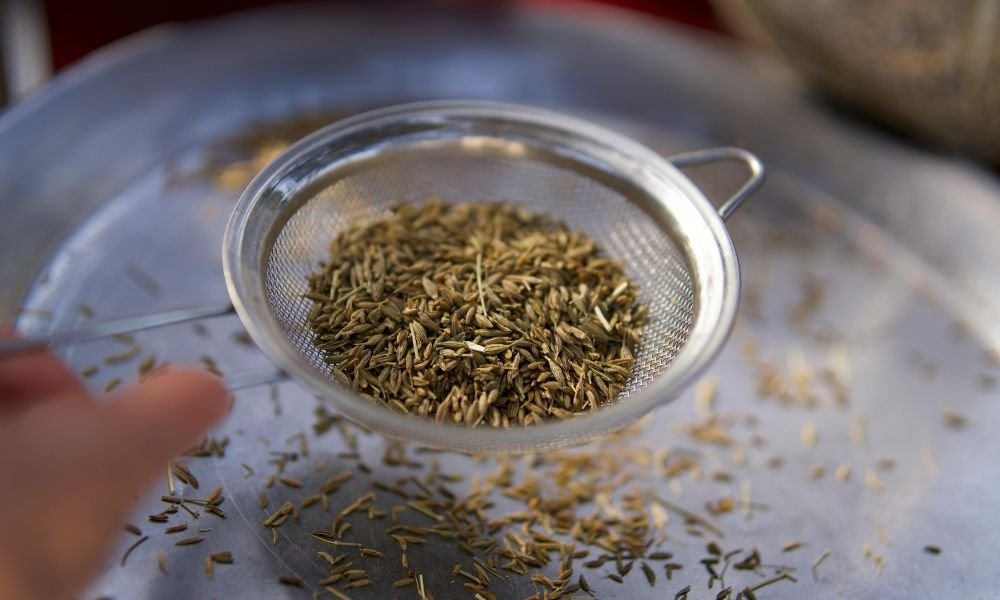
How to Clean a Find Mesh Strainer for Better Food Preparation
How to Clean a Fine Mesh Strainer is an essential kitchen skill that helps keep your strainer free from food particles and bacteria.
A pristine culinary sieve is paramount for achieving textural flawlessness in gastronomy. When you master how to clean a fine mesh strainer, you ensure that your silken purées, clarified consommés, and dusted confectioners’ sugars remain untainted by vestigial flavors. Microscopic detritus from previous culinary exploits can undergo rapid oxidation, imparting a rancid profile to otherwise delicate emulsifications. Furthermore, unobstructed apertures allow fluids to pass through with hydraulic efficiency, optimizing prep times.
Common challenges when you clean a fine mesh strainer
The primary impediment to maintaining a pristine sieve lies in the nature of the woven interstitial spaces. Because of this, fibrous starches, mucilaginous seeds, and coagulated proteins lodge themselves firmly inside the matrix, resisting conventional rinsing. Furthermore, forceful scrubbing often distorts the delicate wire weave, permanently altering the gauge of the filter. Therefore, mechanical agitation must be paired with enzymatic or chemical dissolution to circumvent these challenges.
What you’ll learn in this guide
This comprehensive manual provides an exhaustive framework for preserving the structural integrity and sanitation of your filtration utensils. Throughout this guide, readers will discover the architectural nuances of various sieves, specialized methods for liquefying stubborn organic residues, and protocols to eradicate calcified scale. Furthermore, every facet of maintenance—from immediate post-use sanitation to intensive restoration—is detailed below.
Understanding a Fine Mesh Strainer Before You Clean It
What is a fine mesh strainer?
A fine mesh strainer is a kitchen utensil featuring a hemispherical or conical basket woven from incredibly thin wires or filaments. Because of this intricate construction, these filaments form microscopic apertures designed to separate particulate matter from liquid phases. As a result, chefs rely on this precise instrument to refine textures, aerate dry powders, and clarify broths.
Common materials used in fine mesh strainers
High-grade austenitic stainless steel dominates the marketplace due to its innate tensile strength and resistance to corrosion. Synthetic variants utilizing nylon polymers are also prevalent, particularly for filtering acidic juices that might react with inferior metals. The structural collar and handle components frequently feature wood, silicone, or thermosetting plastics.
Why food gets trapped in the mesh
The capillary action within the intersecting wire junctions draws in liquid starches and proteins. As a result, these complex matrices lose moisture, contract, and harden, acting as a structural adhesive that binds the debris to the metal finish.
What You’ll Need to Clean a Fine Mesh Strainer
Essential cleaning supplies
- High-surfactant liquid dishwashing detergents
- Microfiber drying textiles
- Distilled white vinegar
- Sodium bicarbonate
Natural cleaning ingredients you probably already have
Household cupboards contain powerful descaling agents. For example, sodium bicarbonate acts as a gentle, water-soluble abrasive capable of lifting organic films without scratching the underlying metal. Additionally, citric acid or standard lemon juice provides the necessary low pH to dissolve mineral deposits.
Cleaning tools that are safe for delicate mesh
- Soft-bristled nylon detail brushes (or dedicated toothbrushes)
- Stiff-bristled pastry brushes for dry debris
- Sonic cleaning wands for high-frequency agitation
- Avoid wire wheels, brass bristles, and coarse pumice stones
How to Clean a Fine Mesh Strainer After Every Use
Rinse immediately to prevent food from drying
Hydration preservation is the critical initial defense when learning how to clean a fine mesh strainer. The moment your filtration task concludes, invert the basket under a forceful stream of tepid water. This hydraulic pressure dislodges un-polymerized residues before they undergo air-drying and secure themselves to the wire junctions.
Wash with warm water and mild dish soap
Apply a small quantity of concentrated dish detergent to a highly saturated sponge. Generate a rich lather, then apply it to the mesh basket using circular motions. Warm water expands the wire matrix slightly, facilitating the release of trapped lipids.
Clean both sides of the mesh thoroughly
Debris frequently migrates to the convex exterior of the basket during the straining process. Therefore, you must execute cleaning maneuvers on both the inner concave surface and the outer undercarriage. Failure to do so leaves a thin film of organic material that will calcify over time.
Cleaning Direction Blueprint:
[ Concave Interior ] —> Direct wash to remove bulk residue
[ Convex Exterior ] —> Reverse flush to dislodge wedged particles
Dry the strainer properly to prevent rust
Moisture retention in the interstitial intersections is the primary cause of crevice corrosion. Shake the utensil vigorously to expel trapped droplets, then press a dry microfiber towel firmly against both sides of the mesh. Allow the tool to air-dry completely in a well-ventilated area before storage.
How to Remove Stuck Food from a Fine Mesh Strainer
The easiest soaking methods
When dealing with dried starches, fill a shallow basin with boiling water and concentrated dish soap. Submerge the mesh basket completely, allowing it to rest undisturbed for thirty minutes. The thermal energy combined with surfactants slowly rehydrates the hardened organic matter, causing it to swell and loosen its grip.
Using a soft brush without damaging the mesh
Select a detail brush featuring flexible, tapered nylon bristles. Next, hold the soaked sieve under running water and sweep the bristles perpendicularly across the wire strands. Finally, do not press hard; let the tips of the bristles enter the microscopic holes to push out the softened debris.
[ BRISTLE PENETRATION METHOD ]
(Bristle Tips) —> ↓ ↓ ↓ ↓
■ ■ ■ ■ (Mesh Openings)
Cleaning sticky and greasy residue
Lipid-heavy residues from bone broths or nut milks leave a stubborn hydrophobic film on the wire weave. To address this issue, prepare a hot bath infused with a degreasing dish soap and a tablespoon of sodium carbonate (washing soda). As a result, the high alkalinity saponifies the fats, turning them into water-soluble soaps that easily rinse away.
How to Clean a Fine Mesh Strainer with Baking Soda
Why baking soda works so well
Sodium bicarbonate features an amphoteric nature, allowing it to neutralize both acidic and basic odor compounds. Its crystalline structure provides excellent mechanical cleaning action, yet the crystals are softer than stainless steel, ensuring zero abrasion damage to the delicate filaments.
Step-by-step baking soda cleaning method
- Moisten the mesh basket with warm water to create a receptive surface.
- Dust a generous layer of sodium bicarbonate over the entire wire expanse.
- Let the powder sit for ten minutes to absorb surface oils.
- Scrub gently with a damp nylon brush, working in a crosshatch pattern.
- Rinse thoroughly with hot water until the runoff is perfectly clear.
When to use baking soda for stubborn buildup
Deploy this alkaline treatment when the sieve exhibits a dull, greasy film that resists standard liquid detergents, or when starches like wheat flour have created a dried paste across the filtration surface.
How to Clean a Fine Mesh Strainer with Vinegar
Removing mineral deposits naturally
However, hard water leaves behind cloudy calcium carbonate scales that constrict the apertures of your sieve over time. To combat this buildup, distilled white vinegar contains acetic acid, which chemically converts insoluble calcium carbonate into soluble calcium acetate, quickly clearing the blocked holes.
Chemical Descaling Action:
[ Calcium Carbonate Scale ] + [ Acetic Acid ] —> [ Soluble Acetate ] + [ Clear Apertures ]
Eliminating unpleasant odors
Moreover, porous food particles trapped in the wire junctions can emit sulfurous or fishy odors. To eliminate these lingering smells, submerging the mesh basket in pure vinegar for fifteen minutes helps break down odor-causing compounds, leaving the tool fresh and clean.”
Combining vinegar and warm water safely
For routine descaling, prepare a solution of equal parts warm water and distilled white vinegar. Next, submerge the tool for twenty minutes. However, avoid using concentrated industrial acids, as prolonged exposure can degrade the protective chromium oxide layer of stainless steel.
How to Remove Rust from a Fine Mesh Strainer
Identifying early signs of rust
As a result, early oxidation manifests as subtle, amber-colored specks or a dull orange haze at the intersection points of the wire weave. These visual indicators reveal that the protective passivity layer of the steel has broken down, exposing iron molecules to oxygen and moisture.
Safe rust removal techniques
Create a thick paste using sodium bicarbonate and lemon juice. Apply this mixture to the oxidized zones with a toothbrush, working it deep into the wire weave. Allow the acid-base reaction to sit on the spots for thirty minutes, then scrub firmly but carefully to lift the loosened iron oxide before rinsing.
Preventing rust from coming back
To keep your strainer rust-free, never store the utensil while it is damp. You can also occasionally rub a single drop of food-grade mineral oil across the mesh using a lint-free cloth, providing a barrier that keeps ambient moisture away from the metal.
How to Remove Stains and Discoloration
Cleaning tea, coffee, and spice stains
Tannins and carotenoids from turmeric, coffee, and tea readily stain stainless steel and nylon filaments. To lift these deep discolorations, submerge the strainer in a warm bath mixed with an oxygen-based bleaching agent (such as sodium percarbonate) for twenty minutes, then rinse thoroughly.
Restoring the shine of stainless steel mesh
Moreover, a dull strainer can be revived by polishing it with a paste made from cream of tartar and water. To restore its appearance, rub the paste gently over the wire surface with a microfiber cloth, rinse it away with warm water, and dry immediately to bring back its original luster.
Stain Extraction Protocol:
1. Soak in warm water + Sodium Percarbonate
2. Brush gently along the wire grain
3. Flush with clean water
4. Polish with cream of tartar slurry
Avoiding harsh chemicals that damage the finish
Never use chlorine-based bleaches or heavy industrial hydrochloric acids on a fine mesh strainer. Instead, choose milder cleaning solutions that preserve the integrity of the metal. These harsh chemicals can trigger severe pitting corrosion, leaving permanent micro-cavities that weaken the wire weave and harbor harmful bacteria.
Deep Cleaning a Fine Mesh Strainer
When a deep clean is necessary
A comprehensive deep clean should be performed monthly, or whenever you notice a slow drainage rate during filtration. If the wire junctions begin to show visible discoloration or mineral buildup, it is time for a thorough maintenance session.
Step-by-step deep cleaning process
- Pre-soak the strainer in a hot vinegar bath for 20 minutes to dissolve mineral scale.
- Apply a baking soda paste to the mesh to break down organic fats and starches.
- Scrub both sides of the basket with a soft-bristled nylon detail brush.
- Submerge the tool in boiling water for 5 minutes to sanitize the wire weave.
- Dry thoroughly with a clean microfiber towel and air-dry before storing.
Areas that are commonly overlooked
The mechanical junction where the woven wire mesh meets the solid metal support rim frequently traps tiny food particles. Therefore, pay close attention to this perimeter channel, using a fine-tipped brush or toothpick to clear away any hidden debris.
How to Clean Different Types of Fine Mesh Strainers
Stainless steel fine mesh strainers
Stainless steel variants can handle thermal sanitization and mild acid treatments without losing structural integrity. You can safely clean them with boiling water, vinegar, and baking soda, provided you dry them thoroughly afterward to prevent crevice corrosion.
Plastic-handled strainers
Strainers with plastic handles require gentler care, as high temperatures can warp or crack the handles. Wash these tools in warm water rather than boiling water, and avoid using concentrated chemical solvents that could degrade the structural polymers.
Extra-fine mesh strainers for delicate ingredients
Extra-fine sieves used for tea or delicate infusions feature incredibly fragile wire filaments. Avoid scrubbing these tools with stiff brushes; instead, rely on extended soaking times and high-pressure water rinses to flush away debris without distorting the weave.
Common Mistakes to Avoid When Cleaning a Fine Mesh Strainer
Using abrasive scrubbers
Using steel wool, heavy wire brushes, or coarse scouring pads can warp the wire filaments and scratch the metal finish. As a result, these scratches create microscopic grooves where bacteria and food particles can easily lodge themselves in the future.
Letting food dry inside the mesh
Allowing organic matter to dry inside the mesh creates a hardened cement that is incredibly difficult to remove. Always rinse the strainer immediately after use, even if you plan to wash it thoroughly later.
Placing unsuitable strainers in the dishwasher
While some stainless steel strainers are dishwasher safe, the high heat and loose food particles in a dishwasher can often bake debris further into the mesh or cause plastic handles to warp and crack. Hand washing is always the safest method.
Ignoring small food particles around the rim
Neglecting the small debris that collects along the outer metal rim leads to bacterial growth and unpleasant odors over time. For this reason, ensure you clean the entire structure of the utensil, not just the center of the mesh basket.
How Often Should You Clean a Fine Mesh Strainer?
Cleaning after every use
As a daily maintenance practice, every time you use the strainer, give it an immediate rinse under running water and a quick wash with mild dish soap to prevent food particles from drying and sticking to the weave.
Weekly maintenance routine
As part of your weekly maintenance routine, give your strainer a quick five-minute soak in a warm vinegar solution to dissolve early mineral buildup and neutralize any lingering food odors from regular use.
Monthly deep cleaning checklist
- [ ] Soak the mesh basket in a hot vinegar and baking soda bath.
- [ ] Detailed scrubbing of both sides of the mesh with a nylon brush.
- [ ] Clean out the perimeter rim channel using a fine tip or toothpick.
- [ ] Sanitize the tool in boiling water and dry completely.
Tips to Keep Your Fine Mesh Strainer Looking New
Proper drying techniques
After washing, shake the strainer vigorously to expel any trapped water droplets from the wire intersections. Press a clean microfiber towel against the mesh to absorb remaining moisture, then let it finish air-drying in a well-ventilated spot.
Smart storage solutions
Store your fine mesh strainers by hanging them from a utensil rack or placing them inverted on top of other bowls. Additionally, avoid stacking heavy pots or pans directly on top of the mesh baskets, as this can easily warp or dent the delicate wire weave.
Preventing odors and stains before they start
To minimize staining and odors, avoid letting the strainer sit in colorful or highly aromatic liquids for long periods. Additionally, a quick, proactive rinse with cold water immediately after straining ingredients like berries or turmeric helps prevent stains from setting.
Troubleshooting Common Fine Mesh Strainer Problems
Mesh clogged with tiny particles
If your mesh is clogged with stubborn particles like berry seeds or flour, allow the strainer to dry completely, then gently tap the rim against a hard surface. The dried particles will often shrink and pop out of the apertures effortlessly.
Lingering food odors
If fishy or sulfurous odors persist after standard washing, soak the strainer in a shallow bath of pure lemon juice for fifteen minutes. The natural citric acid breaks down the odor-causing compounds, leaving the tool fresh and ready to use.
Bent or damaged mesh
If the wire weave becomes dented or distorted, you can sometimes carefully press it back into shape using the back of a wooden spoon. If the filaments have snapped or separated, replace the strainer to prevent un-strained particles from passing through.
Rust spots and discoloration
Address early rust spots immediately using a baking soda and lemon juice paste to lift the oxidation. If the rust has eaten through the filaments and compromised the strength of the weave, it is time to discard the utensil for safety.
Frequently Asked Questions About How to Clean a Fine Mesh Strainer
Can a fine mesh strainer go in the dishwasher?
While pure stainless steel strainers can handle the dishwasher, hand washing is highly recommended. Dishwasher cycles often fail to clear the microscopic holes and can actually bake loose food particles from other dishes directly into the mesh weave.
Is vinegar safe for stainless steel strainers?
Yes, distilled white vinegar is completely safe for high-grade stainless steel strainers. In fact, its mild acidity dissolves hard water deposits and eliminates odors without harming the metal, provided it is rinsed away thoroughly after use.
What’s the best way to remove flour and seeds?
The most effective way to remove flour and small seeds is to flush the strainer from the backside using a high-pressure stream of cold water immediately after use, which pops the particles out of the holes before they can stick.
How do you clean burnt residue from a strainer?
To clear burnt residue, cover the affected mesh with a thick layer of baking soda and submerge it in boiling water for fifteen minutes. During this process, the heat and alkaline solution will soften the carbonized matter, allowing it to be brushed away easily.
When should you replace a fine mesh strainer?
You should replace your fine mesh strainer when the wire filaments snap, pull away from the outer metal rim, or develop persistent rust that cannot be removed, as these flaws compromise both food safety and filtration performance.
Quick Fine Mesh Strainer Cleaning Checklist
Daily cleaning essentials
- [ ] Reverse flush the mesh under running water immediately after use.
- [ ] Wash both sides of the basket with a soft sponge and dish soap.
- [ ] Dry the wire weave thoroughly with a clean microfiber towel.
Weekly maintenance reminders
- [ ] Soak the strainer in a warm vinegar bath for 10 minutes to descale.
- [ ] Check the wire filaments for any early signs of rust or distortion.
- [ ] Wipe down the handle and weld points to remove grease.
Deep cleaning checklist
- [ ] Perform an intensive baking soda paste scrub on both sides of the mesh.
- [ ] Clear out the inner rim channel using a fine brush or toothpick.
- [ ] Sanitize the utensil in boiling water for 5 minutes.
- [ ] Inspect the entire weave against a light source to ensure all holes are clear.
Final Thoughts on How to Clean a Fine Mesh Strainer
Simple habits for keeping your strainer spotless
Developing a few simple habits makes learning how to clean a fine mesh strainer a natural part of your kitchen routine. Giving the tool an immediate rinse and storing it properly keeps the wire weave clear, preventing stubborn build-ups before they can start.
Making fine mesh strainer cleaning part of your kitchen routine
Ultimately, a clean fine mesh strainer is key to achieving professional textures and maintaining food safety in your cooking. By adopting these simple habits, you can keep this essential tool working perfectly for years to come.
Learning how to clean a fine mesh strainer is a simple but important kitchen skill. Regular cleaning prevents food buildup, keeps the mesh unclogged, and extends the life of your strainer. By following the methods in this guide, you can keep your fine mesh strainer clean, hygienic, and ready for everyday use.
Related Cleaning Guides: