
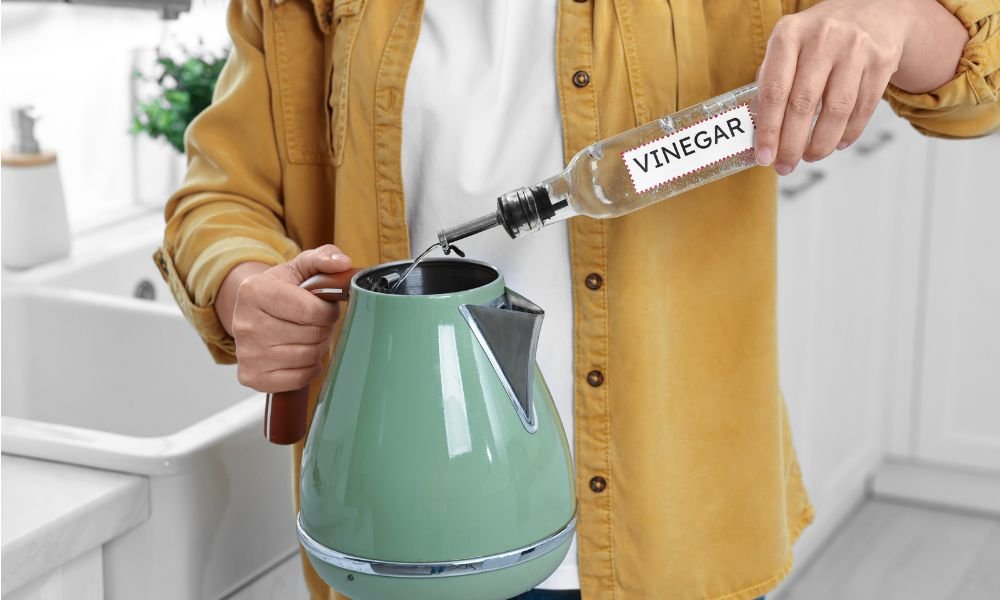
Electric kettles are indispensable staples of the modern kitchen, providing rapid boiling with unparalleled convenience. However, the internal environment of these appliances is constantly subjected to thermal stress and mineral exposure. Over time, a chalky, resilient residue begins to coat the heating element and inner walls. Learning how to clean electric kettle with vinegar is the ultimate remedy for this inevitable degradation.
Why Learning How to Clean Electric Kettle with Vinegar is Important
Neglecting the internal hygiene of a heating appliance leads to a compounding decline in mechanical performance. When calcification forms an insulating barrier over the heating element, the device must draw more energy to reach a boil. This thermal impedance strains the internal circuitry. By mastering how to clean electric kettle with vinegar, you restore optimal thermal conductivity, lower your energy consumption, and prevent premature catastrophic failure of the appliance.
Common Signs Your Electric Kettle Needs Cleaning
Electric Kettle
Before you learn how to clean electric kettle with vinegar, it’s important to recognize the common signs of limescale buildup.
The manifestations of a calcified kettle are both visual and auditory. For example, you may notice an objectionable, chalky sediment swirling at the bottom of your morning mug. Additionally, the appliance itself will often emit a louder, more discordant rumbling sound during the heating cycle, a phenomenon caused by localized boiling beneath the crust of mineral deposits. Finally, a visible, white, crusty stratum will begin to obscure the pristine stainless steel or glass interior.
What You’ll Learn in This Guide
This comprehensive manual delineates the precise methodology required to eradicate stubborn mineral descaling. To begin with, we will examine the underlying chemistry of hard water degradation. Subsequently, we will explore the systemic benefits of acetic acid. Thereafter, we will provide an exacting, sequential protocol for restoring your appliance. Ultimately, from minor cloudy films to calcified geologic layers, this guide covers every maintenance facet.
What Causes Limescale and Mineral Buildup in an Electric Kettle?
Understanding Hard Water Deposits
The phenomenon of internal kettle crusting is deeply rooted in regional hydrology. As rainwater percolates through limestone, chalk, and gypsum deposits, it becomes heavily enriched with divalent cations, predominantly calcium ($Ca^{2+}$) and magnesium ($Mg^{2+}$), alongside carbonate anions ($CO_3^{2-}$). When this hard water is subjected to elevated temperatures inside your kettle, a thermal decomposition occurs. The soluble calcium bicarbonate transforms into insoluble calcium carbonate ($CaCO_3$), precipitating out of the solution and adhering to the nearest hot surface.
How Mineral Buildup Affects Taste, Efficiency, and Lifespan
This chalky precipitation forms an aggressive thermal insulator. Because heat cannot transfer efficiently from the element to the water, the kettle remains operational for extended periods, risking dry-boil triggers or melted components. From a sensory perspective, floating particulate matter introduces a distinctly flat, unpalatable, and slightly metallic flavor profile to delicate teas and specialty coffees, ruining the nuanced notes of the brew.
Is Limescale Harmful?
From a dermatological and toxicological standpoint, calcium carbonate crust is entirely non-toxic. Ingesting minor flakes of descaled particulate will not cause physiological harm, as these minerals are naturally processed by the human digestive system. The hazard is entirely mechanical and aesthetic, threatening the longevity of the appliance rather than human vitality.
Why Vinegar Is the Best Natural Kettle Cleaner
How Vinegar Breaks Down Mineral Deposits
The efficacy of vinegar lies in its molecular composition, specifically its concentration of acetic acid ($CH_3COOH$). This weak acid launches a nucleophilic attack on the stubborn calcium carbonate matrix. The chemical reaction converts the insoluble crust into highly soluble calcium acetate, water, and carbon dioxide gas:
$$CaCO_3 (s) + 2CH_3COOH (aq) \rightarrow Ca(CH_3COO)_2 (aq) + H_2O (l) + CO_2 (g)$$
The effervescent reaction structural degrades the bonds of the limescale, causing it to slough off the metal walls effortlessly.
Benefits of Using Vinegar Over Chemical Cleaners
Commercial descaling agents frequently rely on harsh, synthetic acids that pose environmental disposal risks and demand exhaustive rinsing cycles to prevent toxic ingestion. In contrast, vinegar represents an eco-friendly, biodegradable, and food-safe alternative that achieves identical results without introducing volatile organic compounds into the home. Moreover, it is an inexpensive, ubiquitous fluid that presents zero risk of chemical burns or caustic vapor inhalation.
This is why many homeowners choose how to clean electric kettle with vinegar instead of using harsh chemical cleaners.
White Vinegar vs. Apple Cider Vinegar: Which Works Best?
Standard distilled white vinegar reigns supreme for this maintenance task. It features a predictable 5% to 6% acidity profile completely unburdened by residual sugars or complex organic particulate. Apple cider vinegar can be utilized in an emergency; however, its inherent sediment and malic acid characteristics can leave behind a sticky residue and a persistent, fruity aroma that requires additional rinsing cycles to neutralize.
Supplies You’ll Need Before You Start
Achieving a pristine finish requires a specific array of non-abrasive tools.
- White Vinegar: Distilled, with a standard 5% acidity level for optimal descaling capacity.
- Fresh Water: Preferably filtered to prevent immediate re-mineralization during the process.
- Soft Sponge or Microfiber Cloth: For non-destructive wiping of delicate interior polished surfaces.
- Soft Brush for Hard-to-Reach Areas (Optional): A specialized bottle brush or soft nylon toothbrush to scrub recessed crevices or around the spout filter matrix.
How to Clean Electric Kettle with Vinegar: Step-by-Step Guide
Executing this process with precision ensures absolute descaling without compromising the integrity of the internal thermistors.
1.Measure the Correct Ratio:Preparation.
Formulate a balanced 1:1 solution of distilled white vinegar and fresh water. For standard 1.7-liter kettles, combining equal parts of each liquid ensures sufficient volume while maintaining an effective acidic concentration.
2.Fill the Kettle Properly:Containment.
Pour the mixed solution into the vessel. Ensure the liquid level sits comfortably above the visible line of mineral encrustation, but safely below the maximum fill threshold to prevent violent boiling over.
3.Boil the Solution Safely:Thermal Activation.
Secure the lid tightly, place the vessel upon its electric base, and depress the power switch. Allow the solution to reach a full, rolling boil until the integrated auto-shutoff mechanism engages.
4.Let the Solution Soak:Chemical Reaction.
Do not empty the boiling fluid immediately. Allow the hot acetic acid solution to sit undisturbed within the vessel for 30 to 60 minutes, giving the acid ample time to dissolve the structural integrity of the calcified matrix.
5.Empty and Inspect:Evaluation.
Decant the cooled liquid directly down the kitchen sink drain. Peer into the interior chambers to assess if the silver sheen of the underlying stainless steel has been successfully restored.
6.Gently Remove Residue:Mechanical Agitation.
Take your soft sponge or microfiber cloth and gently sweep away any softened, gelatinous mineral remnants that remain clung to the base or the internal filter assembly.
7.Rinse Thoroughly:Purification.
Flush the internal chamber multiple times with cold, running tap water. Swirl the water vigorously into all corners to flush out detached particulate and loose sediment.
8.Perform Flushing Boils:Deodorization.
Fill the kettle to its maximum capacity with pure, fresh water and bring it to a boil. Discard this water immediately, and repeat the process once more to totally expunge any lingering volatile acetic aromas.
How to Clean Heavy Limescale from an Electric Kettle with Vinegar
Signs of Stubborn Mineral Buildup
When an appliance has undergone months of unmitigated calcification, the interior surfaces develop an undulating, thick, stony topography. This advanced state of degradation appears as a dull, gray or tan, fossilized crust that resists casual wiping and significantly extends the time required for the kettle to reach a boil.
Repeat-Soaking Method
For these severe geologic formations, a singular boiling cycle will prove insufficient. Instead, you must employ a cyclical, multi-stage soaking protocol. First, boil the 1:1 solution. Then, let it rest for an hour. Next, discard the top layer of loosened debris. Finally, introduce a fresh, highly concentrated vinegar solution to tackle the newly exposed layers of scale.
When to Extend the Soaking Time
In scenarios featuring extreme calcification, allowing the vinegar solution to steep overnight is highly advantageous. Meanwhile, as the fluid gradually cools, the prolonged molecular exposure allows the acid to penetrate deep into the dense, crystalline lattice of the calcium carbonate deposits, gradually breaking them down from within.
What to Avoid When Tackling Heavy Deposits
Desperation can tempt users to employ metal scouring pads, screwdrivers, or knives to chip away at the stubborn stone. However, avoid these destructive practices entirely. Indeed, aggressive abrasion can permanently score the underlying stainless steel element, creating microscopic fissures that accelerate future corrosion and permanently ruin the integrated heating matrix.
How Often Should You Clean an Electric Kettle with Vinegar?
The ideal maintenance interval varies depending on the specific mineral concentration of your localized municipal water supply.
| Water Hardness Level | Recommended Cleaning Frequency | Primary Maintenance Action |
| Soft Water Areas (< 60 mg/L CaCO₃) | Once every 3 to 4 months | Preventive flush with a light vinegar solution |
| Moderate Water Areas (60-120 mg/L) | Once every 2 months | Standard 1:1 ratio boiling and 30-minute soak |
| Hard Water Areas (> 120 mg/L) | Once every 2 to 3 weeks | Intensive deep soak and targeted scale inspection |
Warning Signs That Indicate It’s Time to Clean
Regardless of your calendar schedule, certain mechanical indicators demand immediate descaling intervention. If you notice a substantial increase in boiling duration, an unusually loud popping sound during operation, or white flecks floating inside your tea, you must immediately deploy the vinegar protocol.
Tips to Keep Your Electric Kettle Cleaner for Longer
Implementing small changes to your daily beverage routine can significantly reduce the speed of mineral precipitation.
- Empty Leftover Water After Each Use: Never let stagnant water pool at the bottom of the vessel post-boil. As the remaining water slowly evaporates, it deposits concentrated loads of minerals directly onto the cooling heating element.
- Use Filtered Water When Possible: Pouring your water through a dedicated multi-stage filter pitcher or reverse osmosis system removes a significant portion of the magnesium and calcium ions before they ever cross your kettle’s threshold.
- Avoid Letting Water Sit Overnight: Storing water in the kettle overnight invites prolonged mineral crystallization. Empty any unused volume into houseplants or the sink.
- Wipe the Exterior Regularly: Prevent external accumulation of kitchen grease and hard water splatters by wiping the chassis down weekly with a damp microfiber cloth.
Common Mistakes to Avoid When Cleaning an Electric Kettle with Vinegar
Using Undiluted Vinegar Unnecessarily
While pure vinegar possesses strong descaling properties, boiling a 100% concentration is rarely necessary and fills your kitchen with an incredibly pungent, eye-watering cloud of aerosolized acetic acid. Stick to a balanced 1:1 dilution ratio for standard maintenance.
Scrubbing with Abrasive Pads
Steel wool and green heavy-duty scouring pads strip away the micro-polished protective oxide layer of stainless steel. As a result, this leaves the metal vulnerable to oxidation, pitting, and rapid rust formation.
Forgetting to Rinse Thoroughly
Skipping the post-cleaning freshwater flush results in a highly unpleasant surprise. As a result, residual vinegar can affect the flavor of your next few beverages and may cause milk to curdle in some situations.
Immersing the Electric Base in Water
⚠️ CRITICAL ELECTRICAL HAZARD: Never submerge the body of the kettle or its detached electrical base plate into water. Instead, clean these components only with a damp cloth while keeping the underlying contacts completely dry to avoid short-circuits, blown fuses, or electric shock risks.
How to Remove the Vinegar Smell After Cleaning
The pungent aroma of acetic acid can occasionally linger within the porous plastic components or silicone seals of your kettle.
Multiple Fresh-Water Boils
The most direct remediation path is successive dilution via thermal vaporization. To achieve this, executing two to three complete boiling cycles using clean, un-softened water will progressively carry away residual vinegar compounds and odors.
Air-Drying the Kettle
After performing your final rinse cycle, leave the primary lid wide open and place the vessel in a well-ventilated area for several hours. During this period, natural cross-ventilation will help disperse any remaining trapped odors into the surrounding air.
Natural Odor-Removal Tips
If the vinegar scent is stubborn, cut a fresh lemon into thick rounds, drop them into the kettle with fresh water, and bring it to a boil. The bright, high-purity citric oils will swiftly mask and break down the lingering acetic aroma, replacing it with a clean citrus scent.
Alternative Natural Methods If You Don’t Have Vinegar
Lemon Juice
Freshly squeezed lemon juice contains a healthy concentration of citric acid, making it an excellent organic alternative. Similarly, simply substitute the vinegar portion of your recipe with strained lemon juice to achieve effective dissolution of limescale.
Citric Acid
Pure citric acid powder is an incredibly potent, odorless descaling agent. Alternatively, dissolve two tablespoons of food-grade citric acid granules into a full kettle of water, bring it to a boil, and watch the scale dissolve without any pungent fumes.
Baking Soda (and When Not to Use It)
Baking soda ($NaHCO_3$) is an alkaline substance, meaning it cannot chemically dissolve calcium carbonate like an acid does. However, its mild abrasive properties make it useful for physically scrubbing away light, soft paste-like residue on the upper walls. Never boil baking soda in a sealed kettle, as it can foam up rapidly and clog safety valves.
Cleaning Different Types of Electric Kettles
The physical composition of your kettle determines how delicately you must handle its surfaces.
Stainless Steel Electric Kettles
These robust appliances can handle standard vinegar concentrations with ease. They are resilient to heat but highly susceptible to surface scratching, so use exclusively soft cloths when wiping the interior.
Glass Electric Kettles
Borosilicate glass models highlight mineral scale visually, making routine cleaning imperative. Fortunately, vinegar works beautifully here, restoring crystal-clear optical transparency. However, be sure to avoid thermal shock by never rushing to rinse a hot glass kettle with ice-cold water.
Plastic Electric Kettles
Polypropylene bodies tend to absorb odors far more easily than metal or glass. When cleaning plastic models, shorten the vinegar soaking duration to 20 minutes and prioritize multiple post-clean freshwater flushes to completely eradicate the scent.
Temperature-Controlled Electric Kettles
These premium appliances house sensitive thermal probes protruding directly into the water reservoir. When wiping around these delicate sensors, use minimal physical pressure to avoid misaligning or damaging the internal calibration mechanisms.
Electric Kettle Care and Maintenance Tips
- Daily: Empty out any remaining water immediately after finishing your hot beverage preparation.
- Weekly: Give the interior a rapid rinse with fresh water and wipe down the exterior handle and spout mesh.
- Monthly: Execute a formal, deep-clean vinegar descaling cycle to guarantee your appliance operates at peak efficiency.
Frequently Asked Questions
Can you boil vinegar in an electric kettle safely?
Yes, it is perfectly safe to boil a diluted 1:1 vinegar solution. The acid will not degrade the high-quality stainless steel or borosilicate glass during a standard cleaning cycle.
How much vinegar should you use?
A balanced 1:1 ratio of white vinegar to fresh water is ideal for standard descaling needs.
Can vinegar damage an electric kettle?
Only if used improperly. Leaving a highly concentrated acid solution inside the vessel for days on end could eventually degrade sensitive silicone seals or low-grade internal metals. Stick to the recommended 30 to 60-minute soaking window.
Is it safe to drink water after cleaning with vinegar?
Yes, provided you perform the mandatory freshwater rinse and flushing boils. Vinegar is non-toxic, so any microscopic traces would only affect flavor, not your health.
Can you use apple cider vinegar instead of white vinegar?
Yes, it can be used in a pinch, but it requires more intensive post-rinsing due to its organic sugars and potential to leave a residue.
What if limescale doesn’t come off after one cleaning?
This indicates an advanced layer of scale. Simply repeat the boiling process with a fresh batch of vinegar solution, or allow it to soak overnight.
How long should vinegar stay in the kettle?
For standard maintenance, a 30 to 60-minute soak after boiling is ideal.
Can vinegar remove rust stains?
Yes, the acetic acid can dissolve minor surface iron oxide stains. However, if the underlying metal has deeply pitted and rusted through, the kettle’s structural integrity is compromised and it should be replaced.
Troubleshooting Common Problems
- White Flakes Still Appear: The scale was likely too thick for a single pass. Run a second cycle with a slightly higher concentration of vinegar and use a soft brush to break loose the remaining debris.
- Persistent Vinegar Smell: Execute another boiling cycle, this time adding a tablespoon of baking soda or fresh lemon juice to the water to neutralize the volatile aromatic compounds.
- Scale Returns Quickly: This is a symptom of exceptionally hard regional water. Consider switching to filtered water for your boiling needs to slow down future mineral accumulation.
Quick Cleaning Checklist
- [ ] Gather distilled white vinegar, filtered water, and a non-abrasive microfiber sponge.
- [ ] Mix a 1:1 solution of vinegar and water directly inside the kettle.
- [ ] Bring the solution to a rolling boil, then let it soak for 45 minutes.
- [ ] Discard the liquid and thoroughly rinse the interior with clean water.
- [ ] Boil and discard fresh water twice before preparing your next beverage.
Final Thoughts
Ultimately, understanding how to clean an electric kettle with vinegar is an essential skill for anyone looking to optimize kitchen efficiency and safeguard their appliances. This simple, all-natural maintenance habit effectively strips away insulating mineral crusts without the need for toxic commercial chemicals or destructive scrubbing. By incorporating this practice into your routine, you ensure your kettle boils faster, runs quieter, and delivers exceptionally clean, pure-tasting water for years to come.
Related Guides: